Ingredients
Ingredient functions, formulation roles, and marketing language are separated so readers can understand what documentation supports and what remains uncertain.
26
-
What Chinese Consumers Actually Mean When They Ask for 'Anti-Glycation' Skincare
A new survey of 800 women in China finds that glycation, a biological process, gets translated into shopping language like nourishing, repairing, and brightening.
-
Safety and Efficacy of a Hydrolyzed Collagen Formulation (HYCOS) for Facial Skin Elasticity and Wrinkles: A Randomized, Double-Blind, Placebo-Controlled Trial
A 12-week trial found HYCOS, a hydrolyzed collagen drink with glutathione and vitamin E, improved skin elasticity and crow's feet wrinkles versus placebo, but hydration gains matched placebo.
-
A Salmon-DNA Filler Gets Its Efficacy Data, With a Few Gaps Left Showing
A 28-patient trial of the polynucleotide filler Plinest tracked hydration and elasticity for four months, turning up a curious mid-course dip in skin hydration.
-
What a 30-Person Serum Study Can and Can't Tell You About 'Next Generation Hydration'
A proof-of-concept trial in the Journal of Cosmetic Dermatology backs a new HCH serum's hydration claims, but the study's small size and open-label design set real limits on what those numbers mean.
-
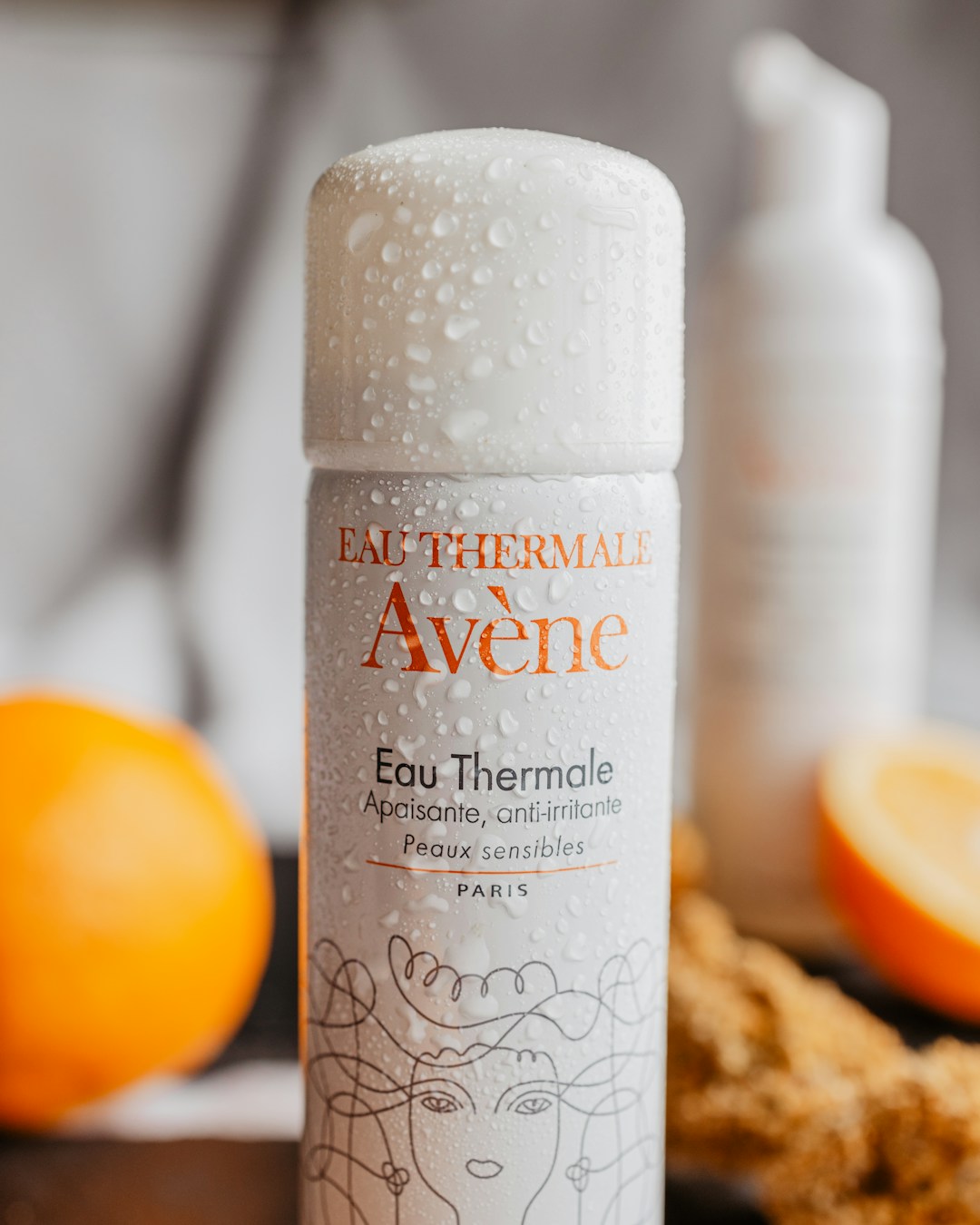
A Portuguese Thermal Water Gets a Formulation Upgrade, With Data to Back It
Chaves spring water plus plant extracts and a natural chelator improved lab measures of anti-ageing and anti-inflammatory activity versus water alone.
-
Growth Factor Serums Promise Acne Repair. The Research Barely Covers Acne.
A new review finds topical EGF's acne evidence rests on two small split-face trials, while most data on the ingredient comes from unrelated wound-healing and scar studies.
-
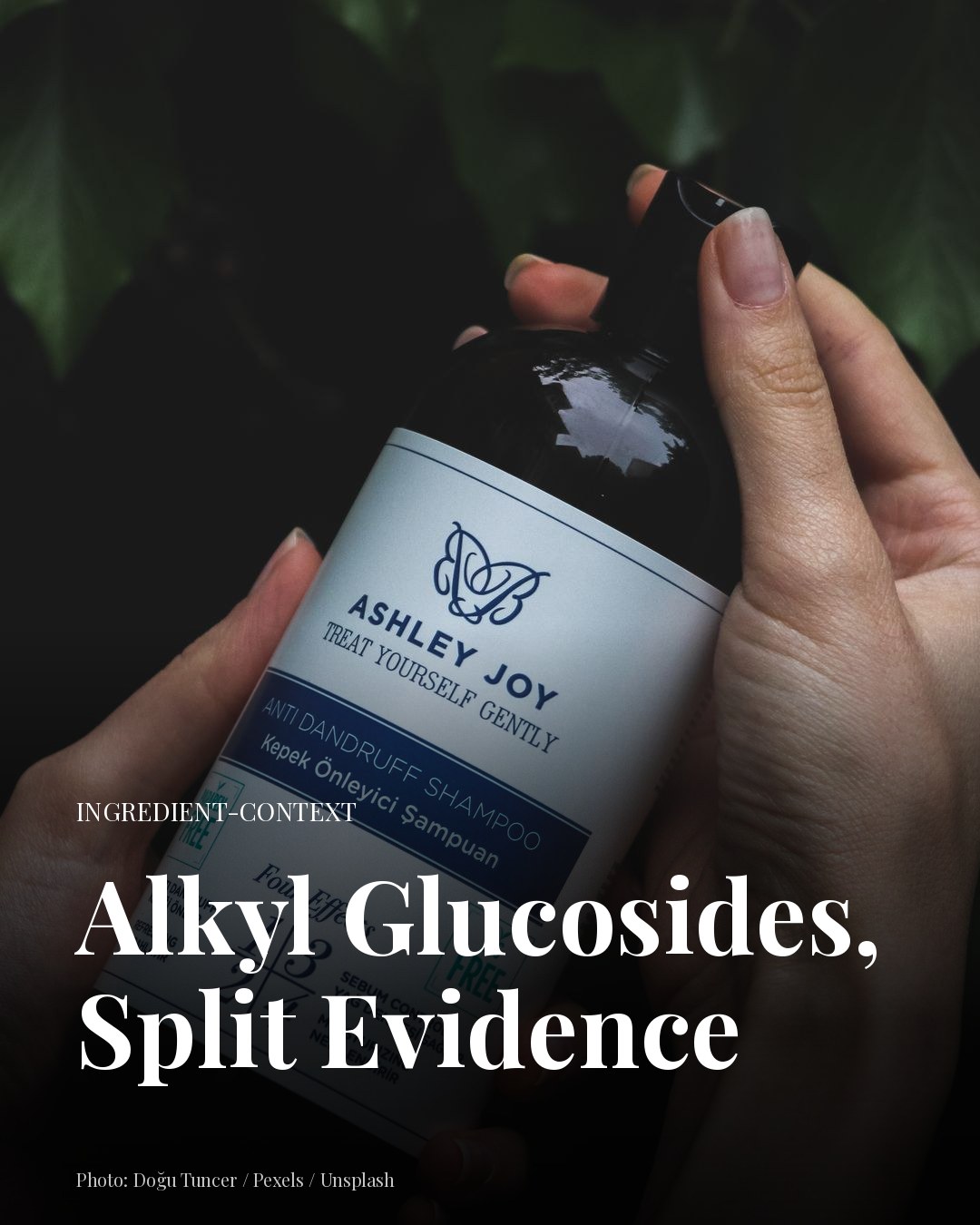
Alkyl Glucosides Are Everywhere on Dutch Shelves, and the Evidence Trail Is Split
A Dutch market survey in Contact Dermatitis finds alkyl glucosides across rinse-off and leave-on cosmetics, ingredients marketed as gentle even as patch-test data and a hidden role in Tinosorb M sunscreen fuel an unresolved allergist dispute.
-
What the Evidence Actually Shows About Omega Fatty Acids and Hair Loss
A new scoping review in the Journal of Cosmetic Dermatology finds omega fatty acids show promise in lab studies but lack standalone clinical proof for treating hair loss.
-
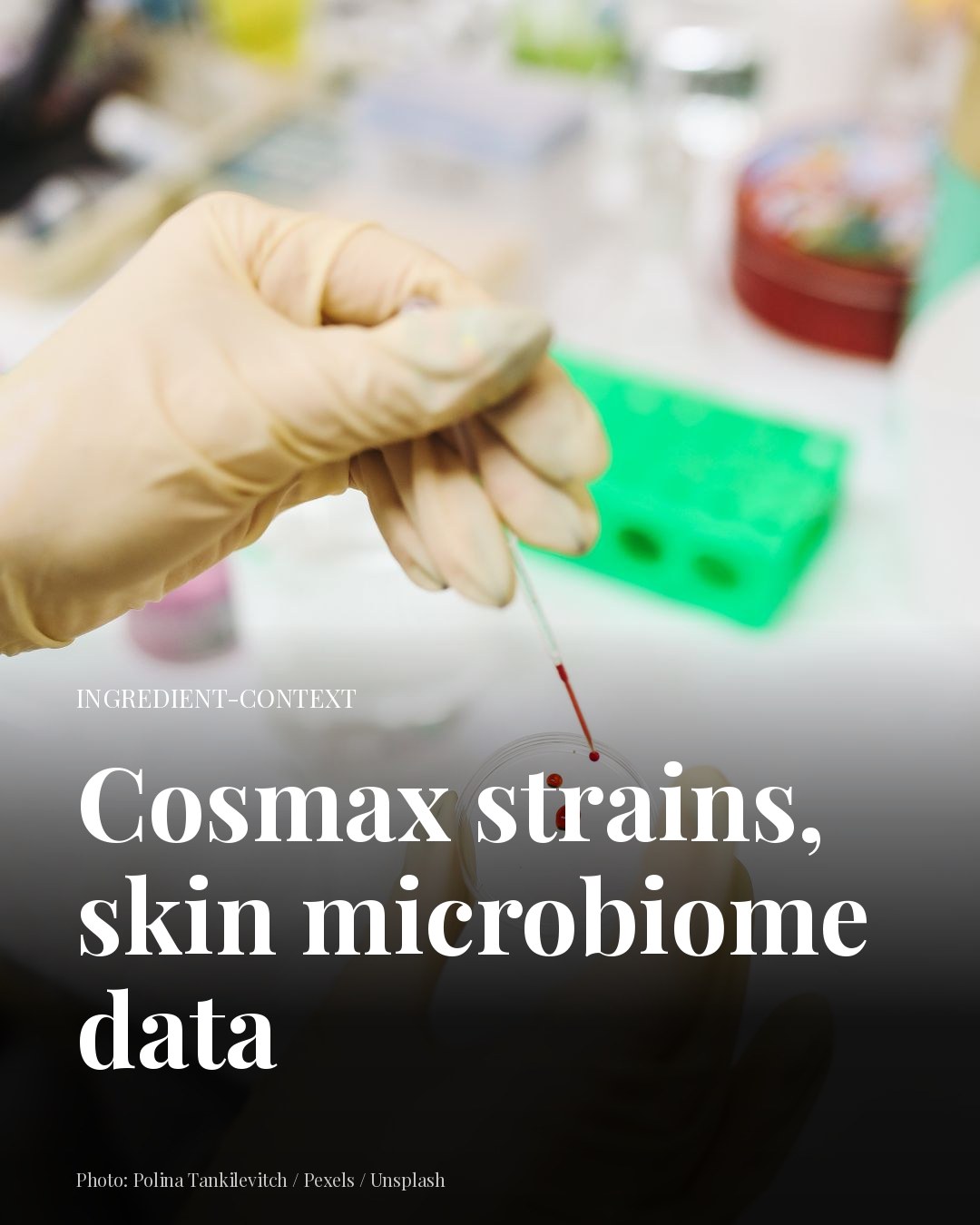
What a Skin-Microbiome Study Actually Showed About Two Cosmax Bacterial Strains
An ex vivo study in donated human skin tested Cosmax's Live-MB2 and CX-2 strains on eczema-like inflammation, finding barrier gains but no cure claims.
-
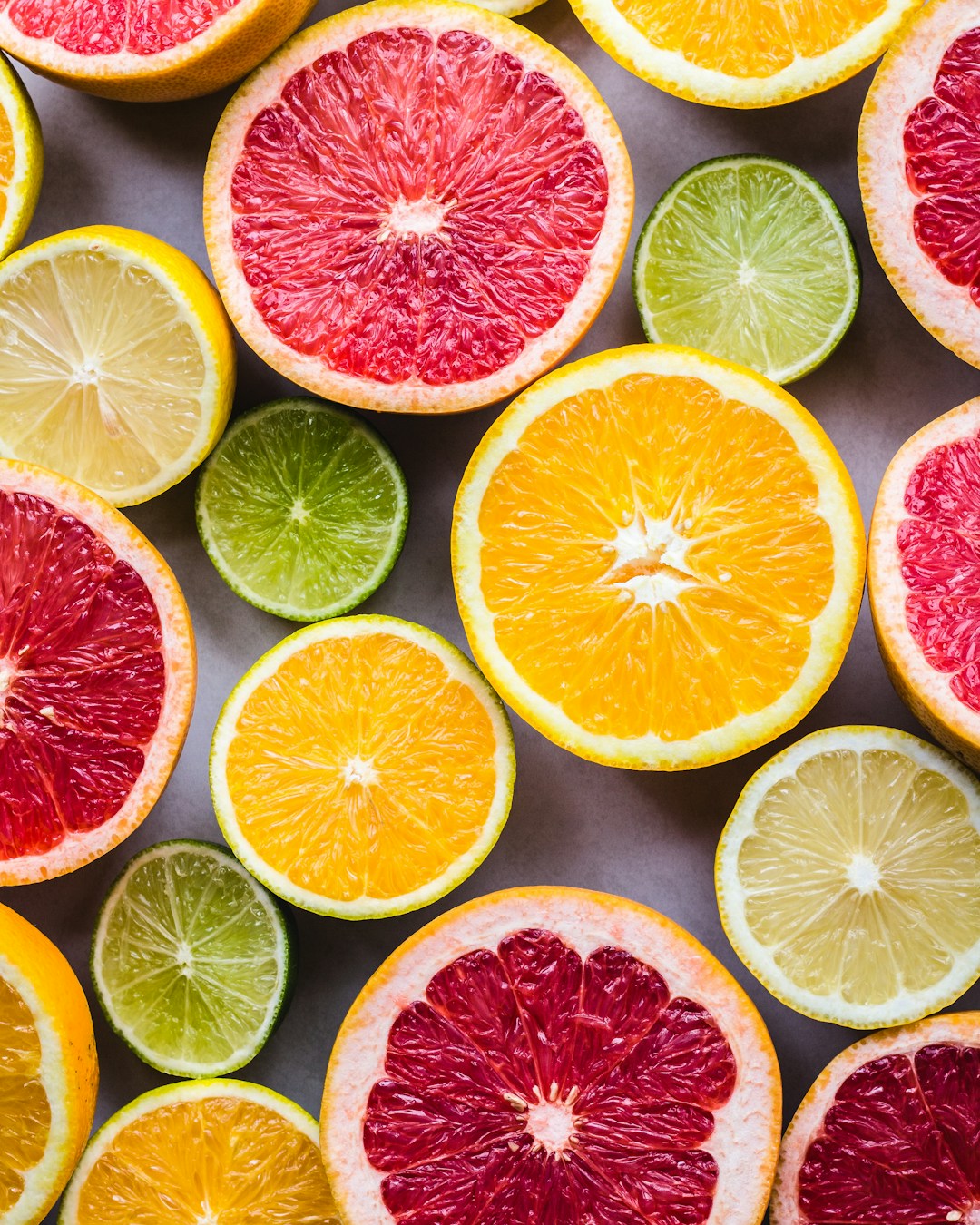
What a New Study Actually Shows About Naringenin and Skin Inflammaging
A peer-reviewed paper documents how the citrus flavonoid naringenin affects inflammatory markers and aging biomarkers, separate from the ingredient claims already circulating in skincare marketing.
-
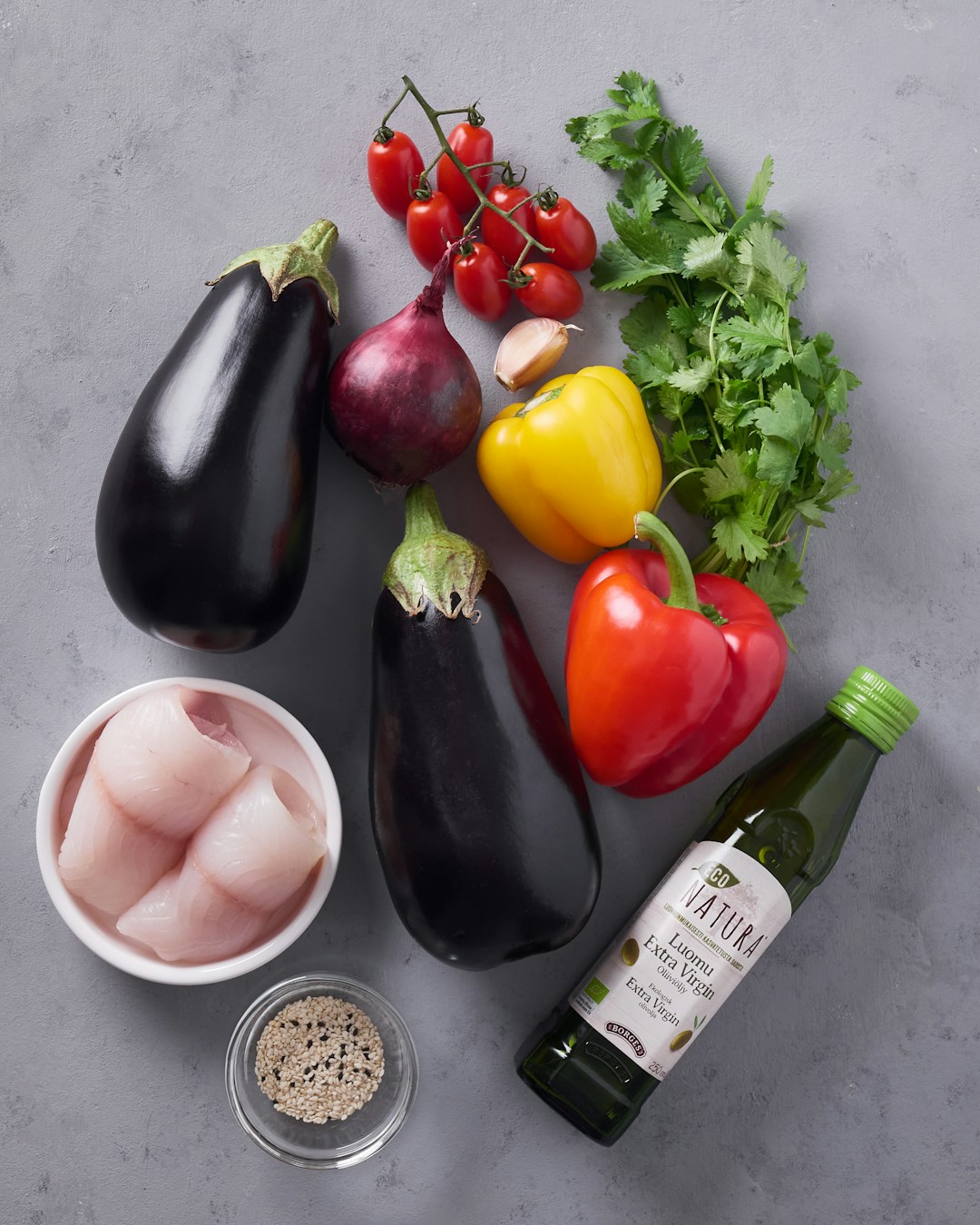
A BB Cream Case Report Flags Two Separate Allergens, One Familiar, One Rare
A BB cream triggered allergic contact dermatitis from two separate ingredients, Magnolia officinalis bark extract and ascorbyl palmitate, per a new Contact Dermatitis case report.
-
Jojoba's Leftover Cake, Fermented, Shows Measurable Collagen Signal in New Peer-Reviewed Study
A new peer-reviewed study ferments discarded jojoba oil-pressing cake with Lactobacillus plantarum and traces its effects from gene screens to a 56-day clinical collagen test.
-

How Researchers Mined Genetic Data to Screen Peptides for Collagen Support
A knowledge-graph and docking study in the International Journal of Cosmetic Science flagged four peptides that raised type III collagen in UV-stressed skin cells and tissue, but only combined, not human, trials produced the broader collagen effect.
-
Can Rubbing in a Cream Signal All the Way to the Dermis? A New Study Says Maybe
A cosmetics-science study finds that surface tension from applying products to skin may activate Piezo channels in keratinocytes, correlating with dermal matrix changes in fibronectin and collagen III, but not elastin.
-
Mouse Study Finds Porcine Collagen Injections Regrow Elastic Fibers in Aging Skin
A mouse study found intradermal injections of porcine-derived Type I atelocollagen regrew elastic fibers in aged skin, with no signs of lasting inflammation after four weeks.
-
Most "Hair Loss" People See Is Shedding, Not Breakage, Global Study Finds
A 12-study, 805-person analysis in the International Journal of Cosmetic Science finds most collected hair is shed from the root, not broken, with washing driving the bulk of loss.
-
What the Evidence Actually Shows About Green Tea Extract and Skin Aging
A systematic review of 7 controlled trials finds green tea extract with EGCG may improve skin elasticity and fine lines, but its effect on irritation remains unsettled.
-
Callus Culture Extracts Show Anti-Aging Activity in the Lab, But Human Data Lags Behind
A new review in the Journal of Cosmetic Dermatology finds callus-cultured plant extracts boost collagen and block elastase in lab tests, but admits human clinical proof is still scarce.
-
Before the Data: What's Confirmed and What's Still Open in the New SOD3 Stem Cell Paper
A new in-press paper names SOD3 as a maintenance factor for dermal stem cells, but its exact evidence isn't yet public; here's what surrounding SOD3 skin research already supports.
-
A Mouse Study Just Gave HPR Retinoid a Mechanism. It Still Hasn't Tested the Safety Claim Behind It.
A new Chinese mouse study on hydroxypinacolone retinoate offers mechanistic detail on how a widely marketed "gentle retinoid" may fight UV damage, including a first-of-its-kind ferroptosis link, but leaves the ingredient's core irritation and safety claims untested.
-
A New Collagen Peptide Review Enters a Fight Over Who's Paying for the Data
A Dove Medical Press narrative review on oral collagen peptides and skin lands amid a year-long dispute over a meta-analysis that buried a positive result inside a funding-based subgroup split.
-

The Jelly Finish Hides the Lamp Question
Jelly describes translucency, not a curing system. The same ombré finish can come from air-drying lacquer or light-cured gel, a distinction that changes application, removal, and safety precautions.
-
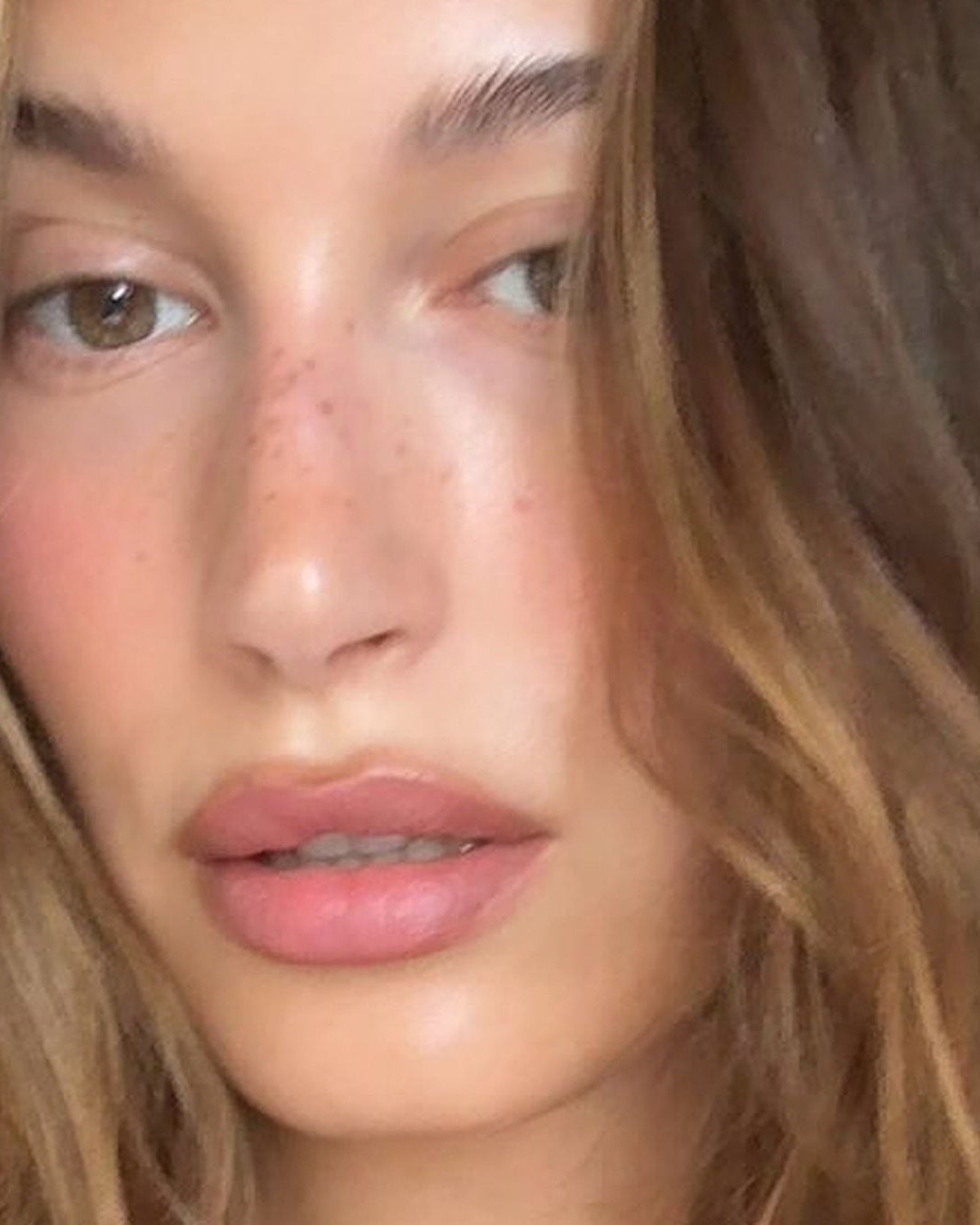
The Freckle Trick Skips the Warning on the Self-Tanner Label
This summer's self-tanner fake-freckle technique tells readers to dot the mousse above the eyebrows and just under the eyes, exactly the facial zone the FDA says its tanning ingredient is not approved to touch.
-
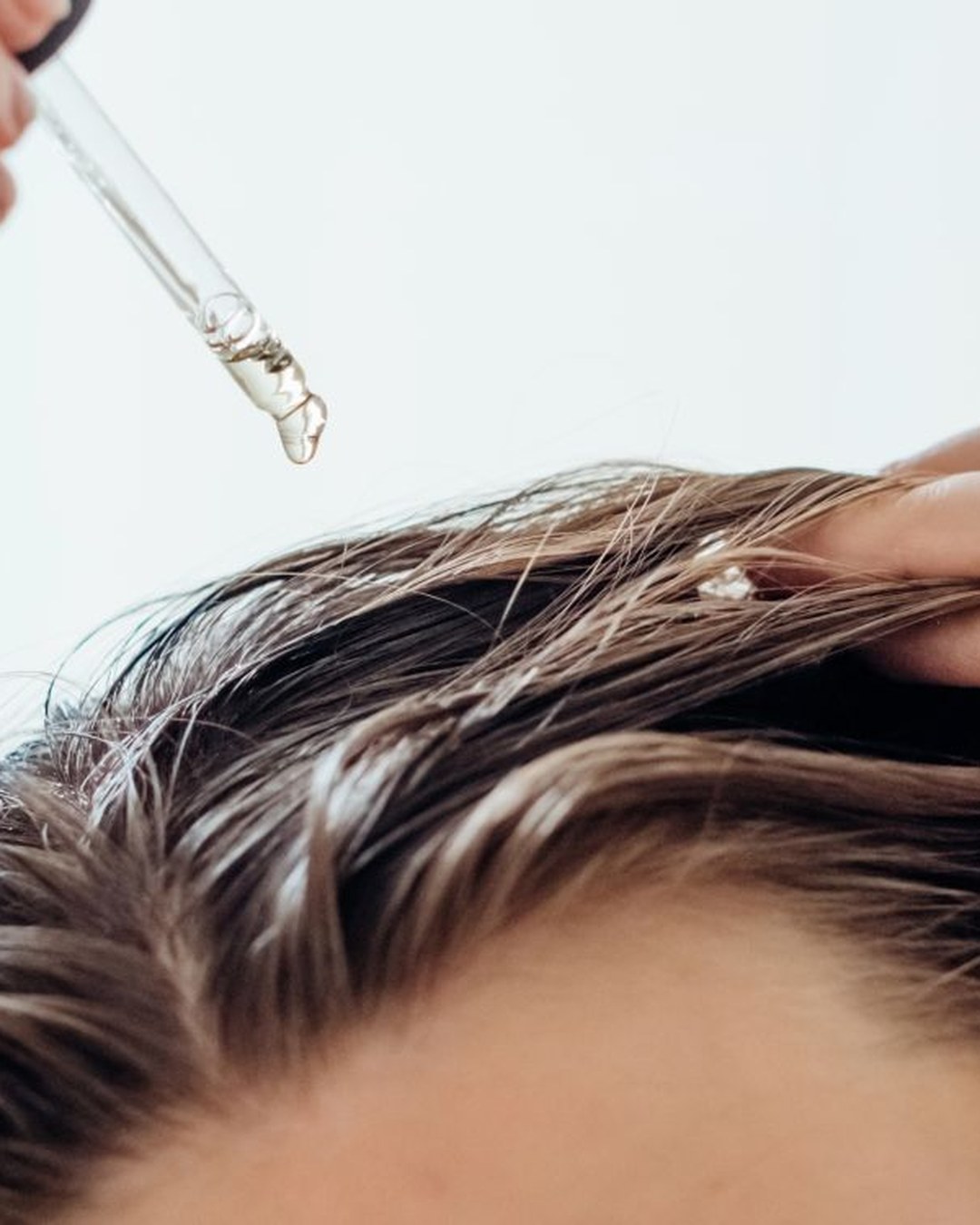
The Minoxidil Claim Traces to an Herb This Serum Barely Contains
A hair serum marketed as a natural alternative to minoxidil borrows its credibility from a 2015 rosemary oil trial, but rosemary oil ranks ninth on its own ingredient list behind a peptide complex whose evidence is thinner and mostly unpublished.
-
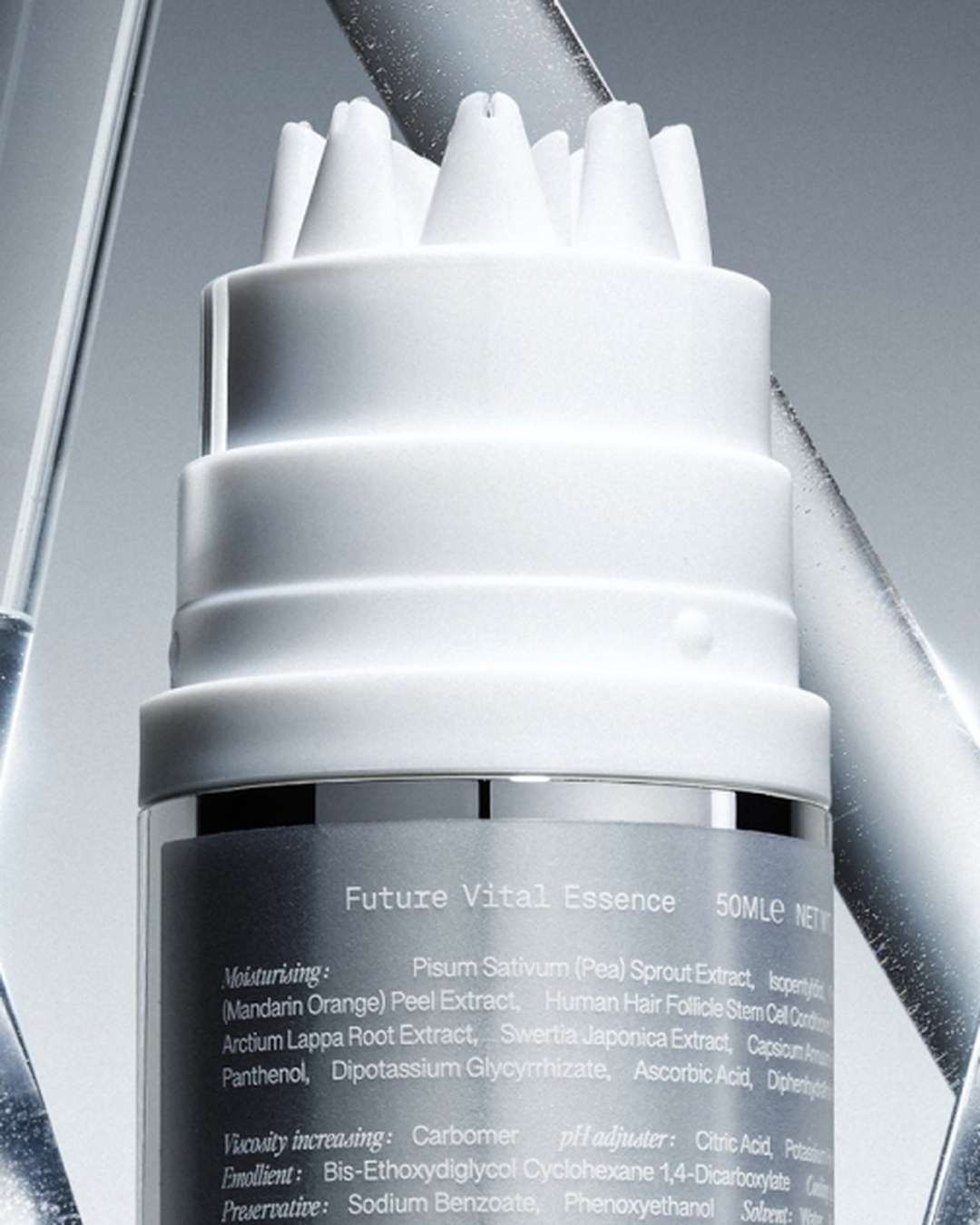
The Stem Cells Leave Before This Scalp Serum Is Mixed
Hair Theory Lab's Future Vital Essence lists human hair follicle stem cell conditioned media, but the standardized term describes liquid collected after cultured cells have been removed. The label identifies a manufacturing origin, not the concentration or a proven hair-growth result in the finished serum.
-

The Only Documented Tenfold at Altos Labs Is a Salary
Elle Germany's 'ages ten times slower' cream feature opens by name-dropping the longevity company Altos Labs, but the tenfold figure never appears again in the piece; the only sourced tenfold tied to Altos Labs is what it reportedly pays scientists.
