
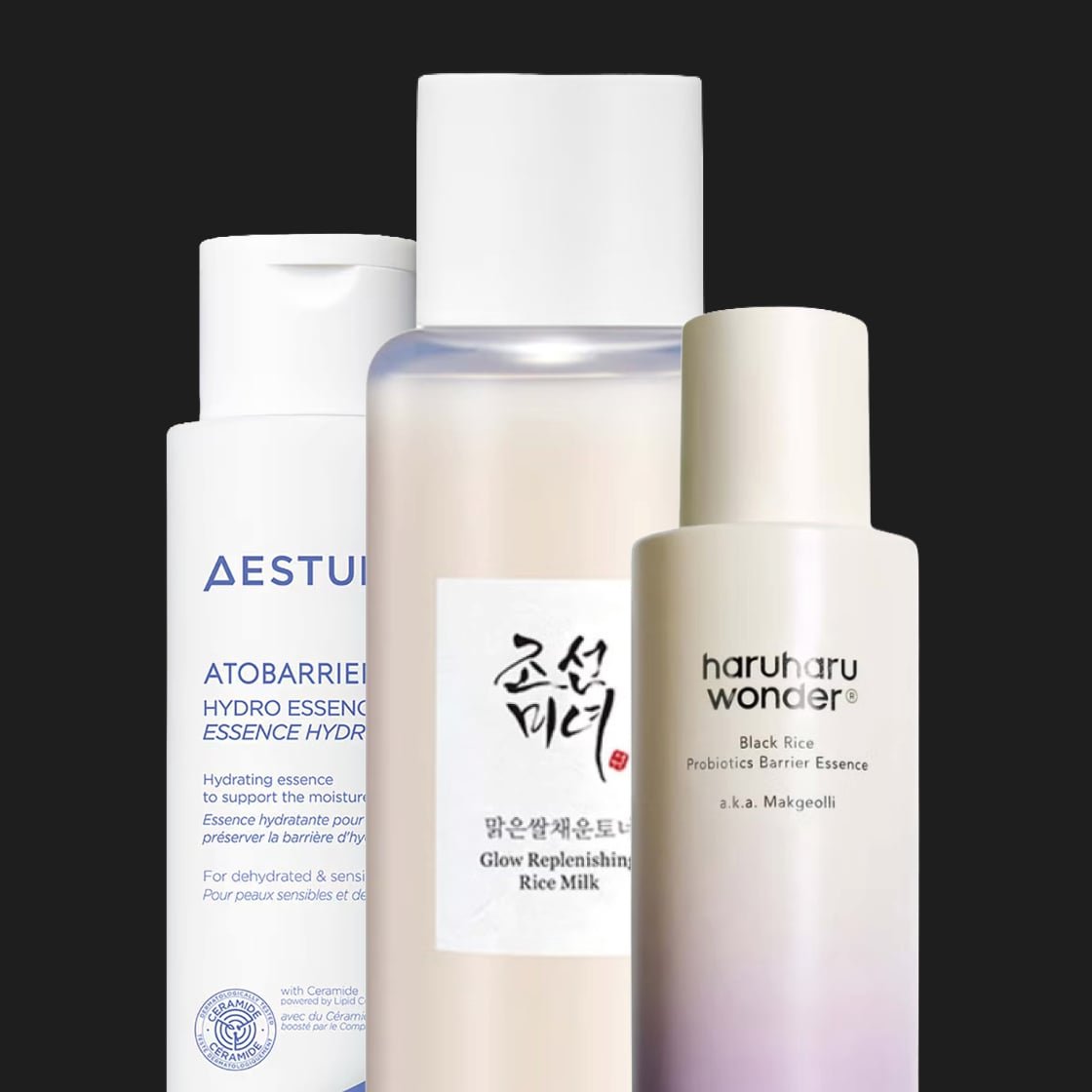
“Essence” has become a catch-all in English-language beauty retail, promising a dewy, prepared complexion in a thin, fast-absorbing layer. The label feels especially tied to Korean skincare, though its lineage is broader. Shiseido dates its Japanese Eudermine “lotion” to 1897, an early example of a watery leave-on product positioned around moisture maintenance. Korean innovation, Japanese lotion traditions and global retailer language now meet under an increasingly elastic name.
That elasticity matters when assessing Stylist’s claim that an essence “prepares” skin to absorb the steps that follow. The article, which includes affiliate links and product recommendations, attributes the idea to one doctor. It does not point to a clinical trial comparing an essence routine with a simpler routine. “Better absorption” also needs a defined endpoint: temporary wetting of the skin’s surface, easier product spread, or measured delivery of a named ingredient are different things.
The skin’s outermost layer is meant to manage water loss and limit entry from the outside. In a 2009 review in Skin Pharmacology and Physiology, dermatologist Jürgen Lademann and colleagues describe the stratum corneum as a barrier with those central jobs. Greater penetration is therefore not a universal skincare win. It can matter for a deliberately formulated medicine or active, while extra layers also expand the list of substances that may sting, trigger dermatitis or complicate a routine.
An essence can still be useful when its formula supplies something a person wants. Humectants attract and hold water in the outer skin layer. A review of glycerol’s topical effects, published in the British Journal of Dermatology, found evidence for improved hydration and barrier-related properties. Reviews of topical hyaluronic acid likewise support hydration benefits. Those findings support glycerin- or hyaluronic-acid-containing formulas; they do not establish that an item called an essence is required to get the result.
This is where the toner-versus-essence story gets shaky. A toner can be watery and hydrating. An essence can contain acids, fragrance, plant extracts or exfoliating ingredients. Stylist’s recommended Beauty of Joseon Glow Replenishing Rice Milk Toner illustrates the overlap in its name alone, while the product is presented with rice, herbs, amino acids, AHAs and clay. That is a different proposition from a simple glycerin-based hydration layer, especially for someone already using exfoliants.
Skin-surface pH deserves more nuance, too. Research published in the Journal of the American Academy of Dermatology found that alkaline soaps can disrupt the skin’s acid mantle more than acidic cleansing products. The finding supports choosing a gentle cleanser when possible. It does not show that everybody needs a second product to “reset” skin after cleansing. The American Academy of Dermatology’s basic order is cleanser, treatment where relevant, moisturizer and sunscreen, and its guidance warns that an overstuffed routine can irritate skin.
For reactive skin, the ingredient list matters more than a soothing-sounding origin story. The American Academy of Dermatology advises people with rosacea to avoid toner or astringent and identifies fragrance, alcohol, glycolic acid and lactic acid among frequent irritants. Fermented, rice, tea, ginseng and herbal language can describe an appealing product story without establishing tolerability for an individual face.
The most practical case for an essence is a person who enjoys a lightweight hydrating step and can use it without irritation. Someone with dry skin may get more reliable value from the Academy of Dermatology’s advice: apply a fragrance-free cream or ointment moisturizer to damp skin. Before adding a bottle, scan its first ingredients for familiar humectants such as glycerin, then check for fragrance and acids that would make that extra layer a risk.
