
A new ingredient study published in the Journal of Cosmetic Dermatology lays out, step by step, what an odor-modified garlic extract actually does inside skin cells, and what the data does and doesn't support about calling it a stress protectant.
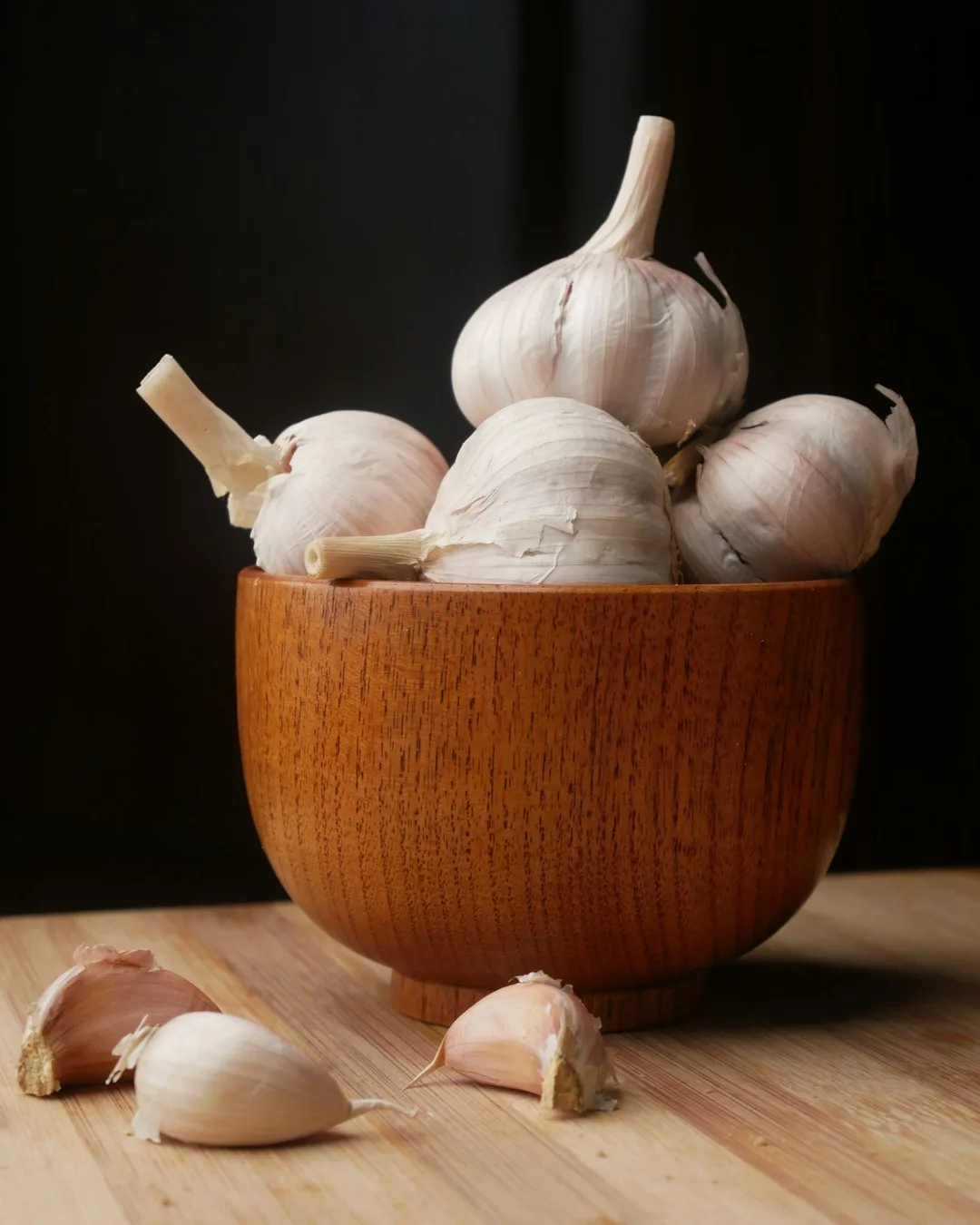
The ingredient is iodized garlic extract, or IGEx. Garlic's sulfur compounds carry documented antioxidant activity, but they also carry the smell that keeps garlic out of most skincare formulas. Researchers at the labs behind this paper, led by Yuki Miyauchi and Natsumi Iwasaki with coauthors Liangjing Xie, Satoshi Yano, and Taichi Hara, treated garlic's odor-causing compounds with iodine to blunt the smell, then asked a narrower question: does the deodorized version still do anything useful to skin cells.
They ran the test on HaCaT cells, a standard lab line of human epidermal keratinocytes, and looked at the Nrf2 pathway, the cell's built-in switch for responding to oxidative stress. Treated cells showed Nrf2 protein expression rise 1.62-fold over untreated controls. That increase turned on downstream genes, including HMOX1, AKR1C1, and AKR1C3, which the cell uses to manage oxidative load.
The researchers also measured NAD(P)H-dependent dehydrogenase activity, an enzyme function tied to cellular detox capacity, and found it increased after IGEx treatment. When they repeated the test in Nrf2 knockout cells, lacking the gene entirely, that increase in dehydrogenase activity disappeared. The result ties the effect directly to the Nrf2 pathway instead of leaving it as a correlation.
Two functional tests followed. In the first, cells pretreated with IGEx and then exposed to hydrogen peroxide, a standard oxidative stress challenge, showed better survival than untreated cells exposed to the same peroxide dose. In the second, an in vitro wound healing assay, treated cells closed a gap in the cell layer faster than controls. The paper also flags a signal involving AHR, the aryl hydrocarbon receptor, suggesting it works alongside Nrf2 in the same stress response rather than acting as a separate pathway.
The abstract states the findings provide 'a molecular foundation for the potential applications of IGEx as a cosmetic ingredient.' That phrasing matters for what comes next: this is cell culture data from HaCaT keratinocytes, not a clinical trial on human skin, and it doesn't establish an effective concentration in a finished formula, a shelf-stable delivery system, or a measured outcome in people. The 1.62-fold Nrf2 figure and the knockout-cell control are the parts of the record that other formulators can check and build on. What a product label does with that evidence, and how it translates to a cream or serum on actual skin, remains the open question the paper leaves for the next round of research.
