
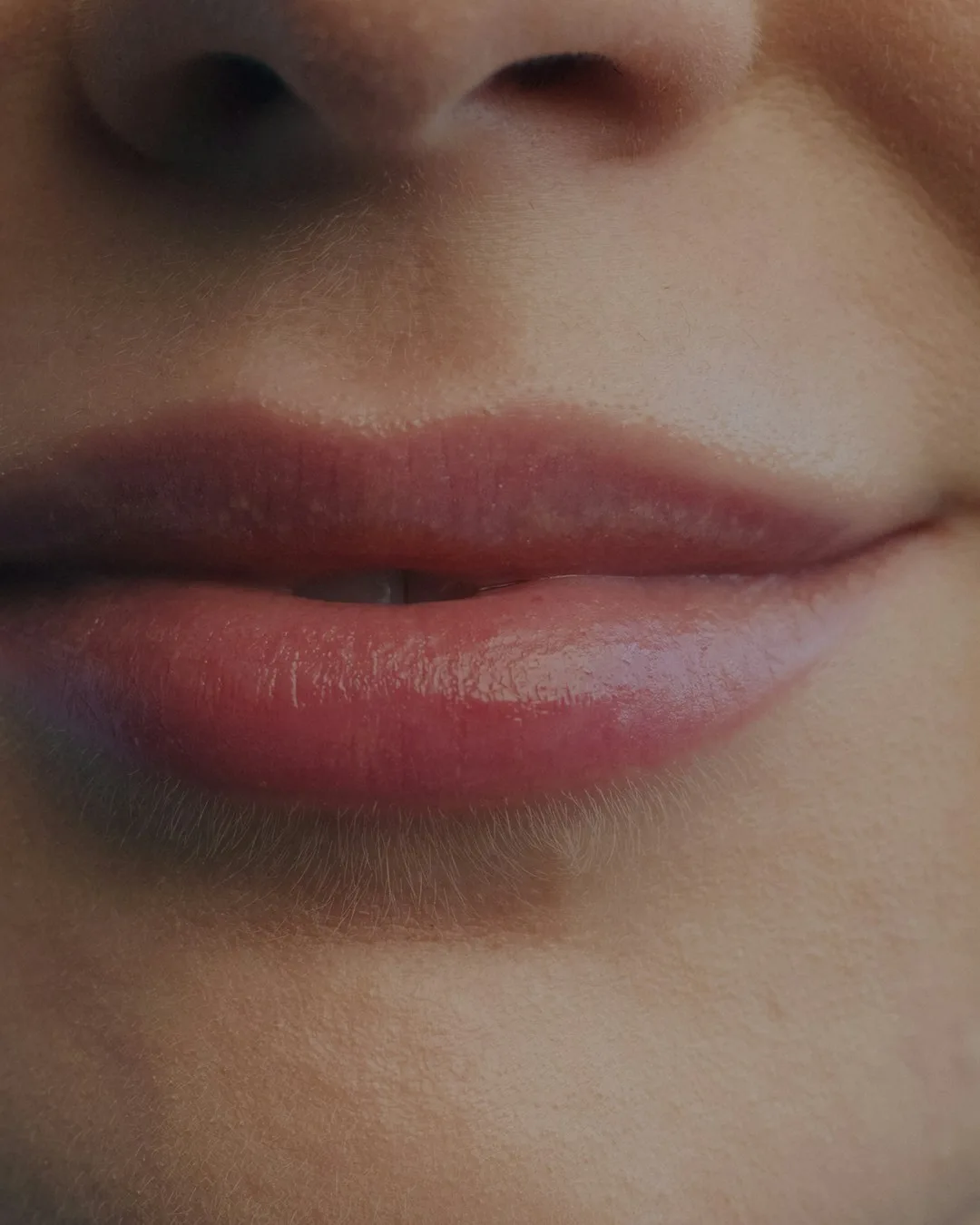
A new case report in Contact Dermatitis ties allergic contact cheilitis, inflammation of the lips, to vitamin E derivatives found in a lipstick. The full case details are not yet publicly indexed, but the claim itself is worth pausing on, because vitamin E has spent decades in cosmetic formulations as one of the industry's most trusted ingredients, not one of its suspects.
Tocopherol and tocopheryl acetate, the forms of vitamin E most often added to lip products, are marketed as antioxidants that protect skin and lips from environmental damage. That framing has mostly held up against patch-test data. The North American Contact Dermatitis Group tested 38,699 patients between 2001 and 2016 and found only 349, or 0.9 percent, reacted to tocopherol or tocopheryl acetate, according to a study led by Erin Warshaw published in Dermatitis. An earlier Mayo Clinic Arizona series covering 1987 to 2007 found an even lower rate, 0.61 percent of 2,950 patients tested.
That rarity is exactly why a confirmed case matters to anyone reading an ingredient label rather than a marketing claim. Most allergens implicated in lip cosmetics carry a track record of complaints behind them. Ricinoleic acid, derived from castor oil, is named across multiple case series as the most common current culprit in allergic contact cheilitis from lip products, according to DermNet NZ, which also identifies lipsticks and lip balms as the commonest source of the condition in women generally. Propolis, beeswax, lanolin, colophonium (the ester gum used in glosses), peppermint oil, fragrance and oleyl alcohol round out the usual list of suspects.
Vitamin E has shown up adjacent to confirmed allergens before without being the one responsible. A 2010 case series by Tran, Pratt and DeKoven examining lip balm cheilitis found vitamin E present alongside propolis, lanolin, and peppermint oil in the same formulations, but concluded peppermint oil was the likely trigger, not vitamin E. That kind of near miss is part of why patch testing exists: an ingredient's presence in a reactive product does not establish that it caused the reaction.
There is also a documented instance of a specific vitamin E ester behaving differently than the rest of the family. A 1994 Swiss outbreak linked tocopheryl linoleate to roughly 1,000 cases of papular and follicular contact dermatitis from cosmetics, distinct from the tocopheryl acetate most patch-test panels screen for. The distinction matters for formulators and dermatologists alike: a reaction to one vitamin E ester does not necessarily implicate every derivative sold under the same ingredient name.
The allergy can also be inconsistent on retest. Italian researchers Corazza and colleagues, writing in Dermatitis, examined two suspected cases of vitamin E contact allergy and found initial positive patch tests turned negative when patients were retested with fresh product samples. They proposed that oxidized or degraded tocopherol byproducts, rather than the stable parent molecule, may act as the actual allergenic trigger, meaning the same tube of lipstick could provoke different results depending on how long it had sat on a shelf.
None of this resolves what the new Contact Dermatitis report found, since the paper's specific details, including which vitamin E ester tested positive, at what patch-test concentration, and whether this is a single case or a larger series, are not yet available outside the journal. What the surrounding literature does establish is the gap the finding would have to cross: an ingredient sold on the promise of protecting lips, with a patch-test positivity rate under 1 percent across tens of thousands of patients, now named as the confirmed source of an inflamed, cracked, peeling mouth.
