Products
Formula, finish, packaging, documented claims, and dated value are examined together so readers can judge a product in the context of their own use.
19
-
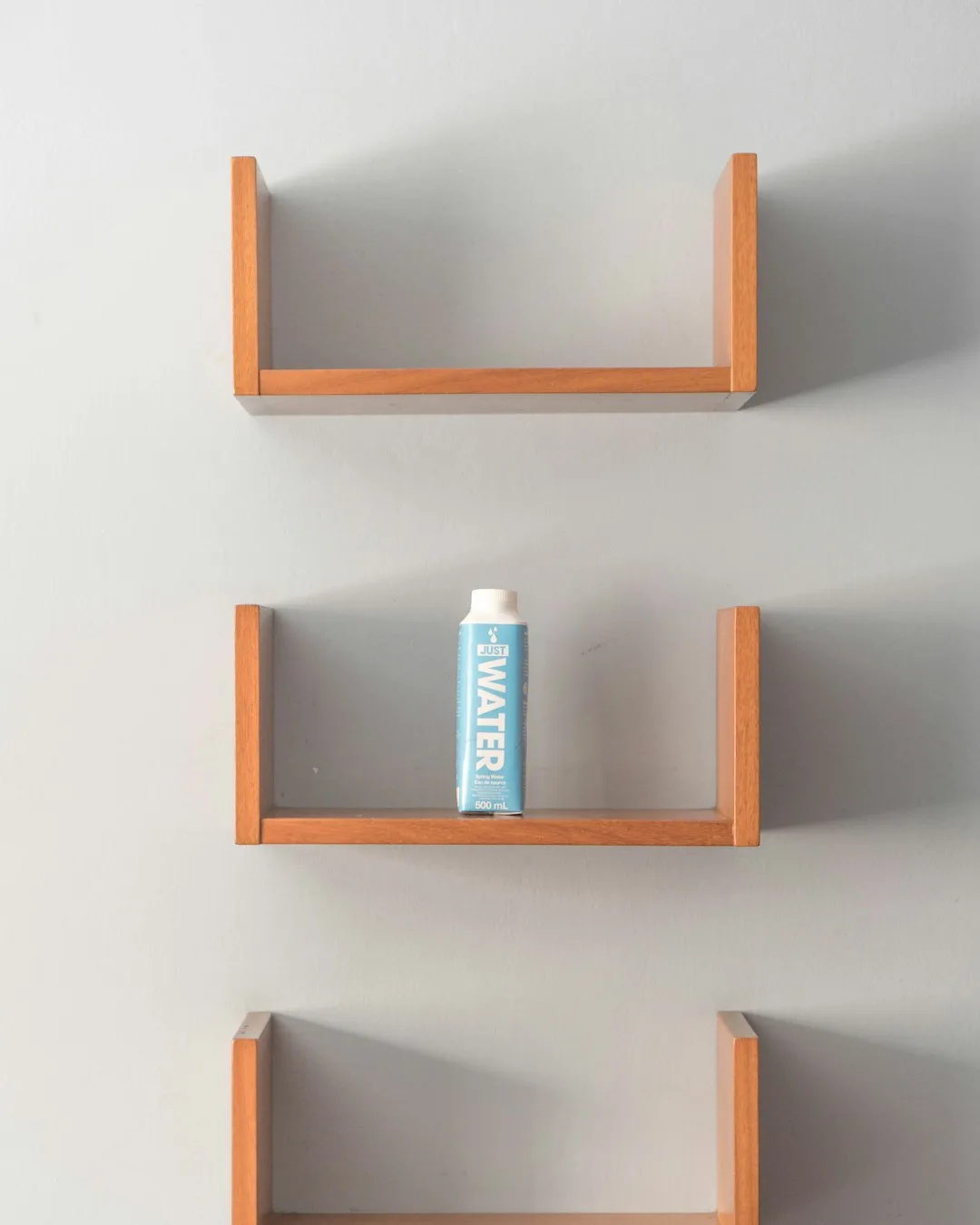
The K-Beauty Starter List Your Dermatologist Gave You Has an Expiration Date
A dermatologist's K-beauty starter list looks simple, but tariffs, counterfeits and a shifting Korean beauty trend mean the picks and prices won't hold still for long.
-
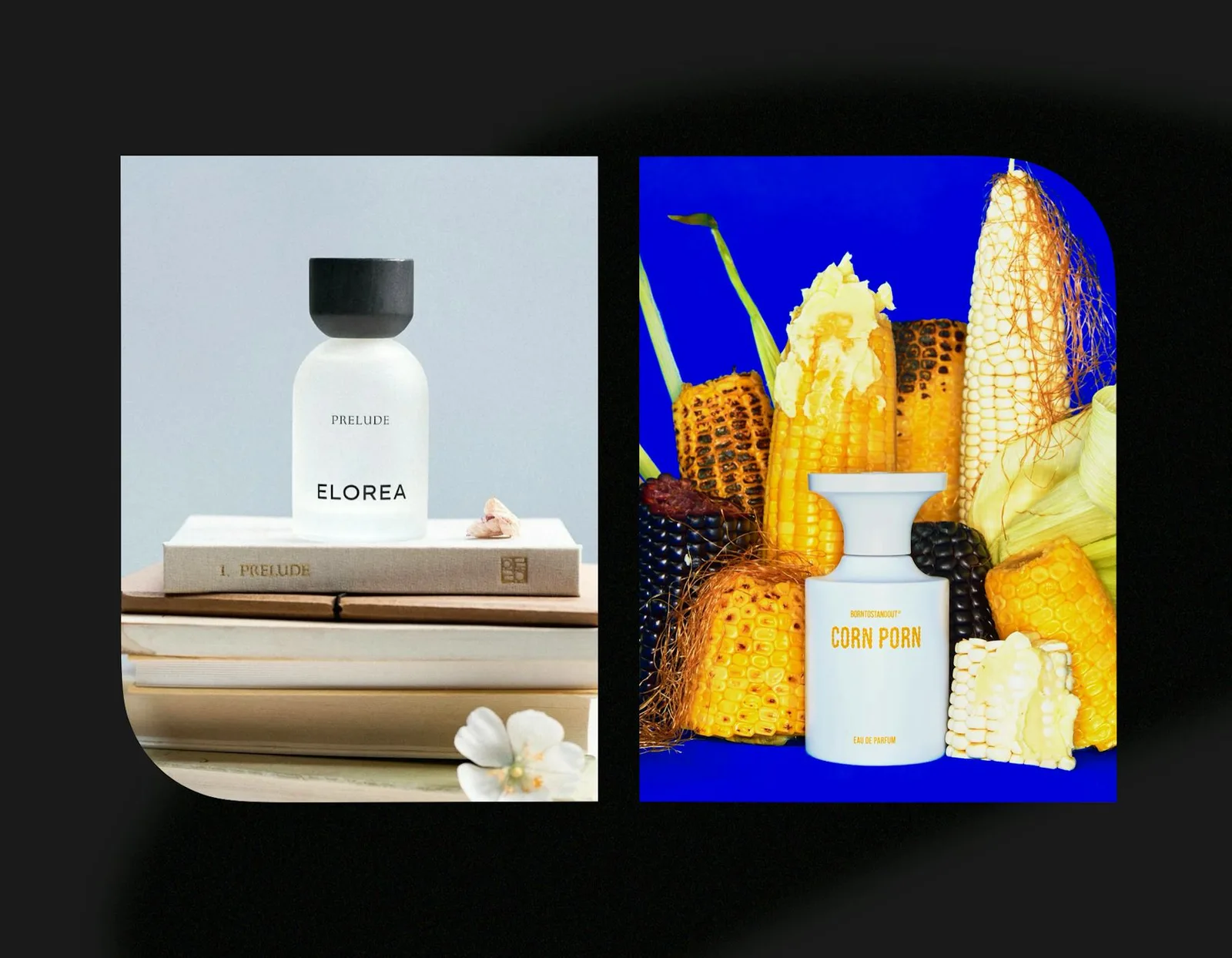
11 Korean Perfumes That Deserve A Spot In Your Fragrance Wardrobe
Korean perfume searches rose 147.3% year over year, per Spate data. Here are 11 bottles, from $10 to full-price department store fare, worth testing on skin.
-
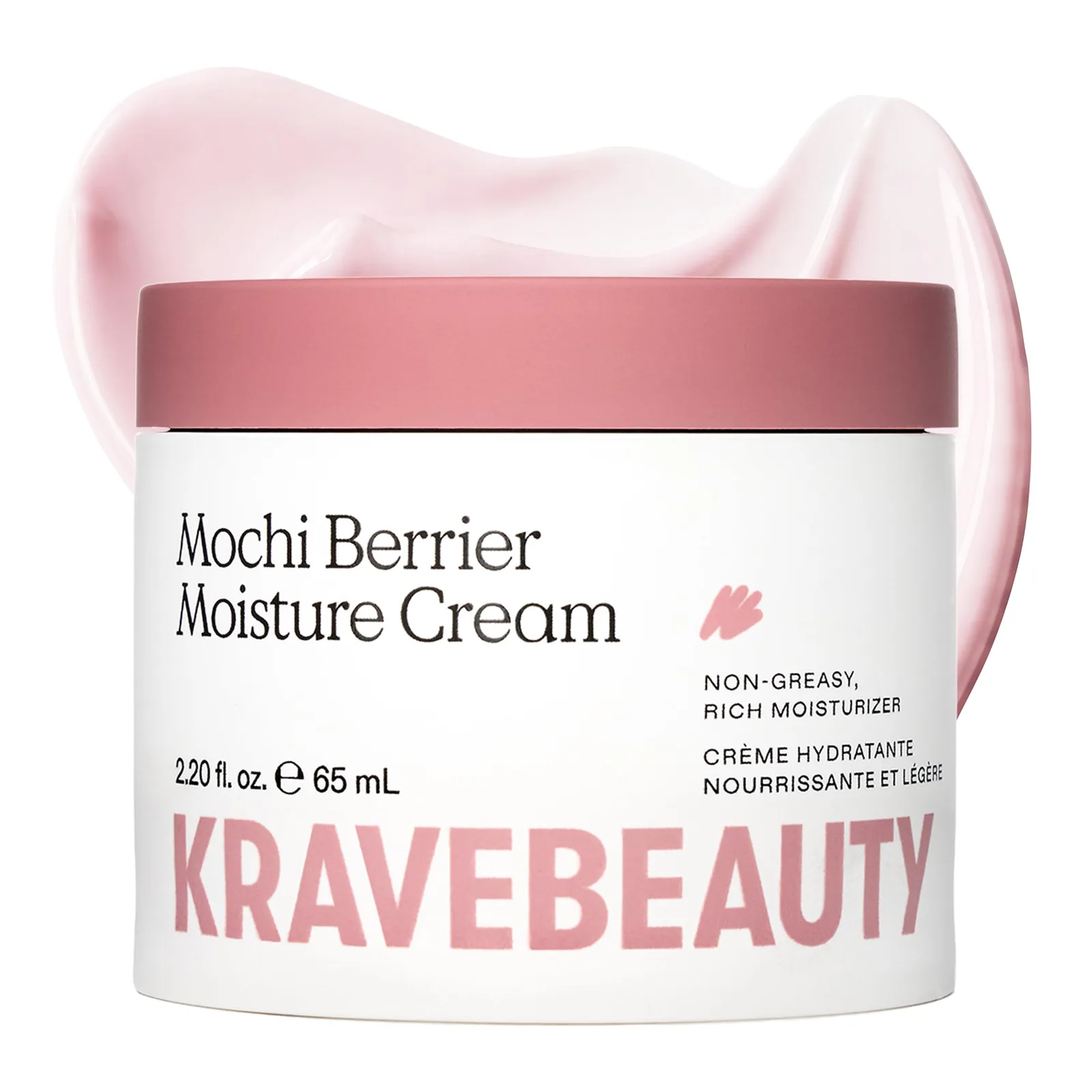
Inside KraveBeauty's New Mochi Berrier Cream: Strawberry Waste, Plastic-Free Jars and a Pattern of Slow Launches
KraveBeauty's Mochi Berrier cream turns discarded strawberry stems into a lipid-mimicking moisturizer in a plastic-free jar, the brand's second upcycled-ingredient launch after its Plumptuous Lip Jelly.
-
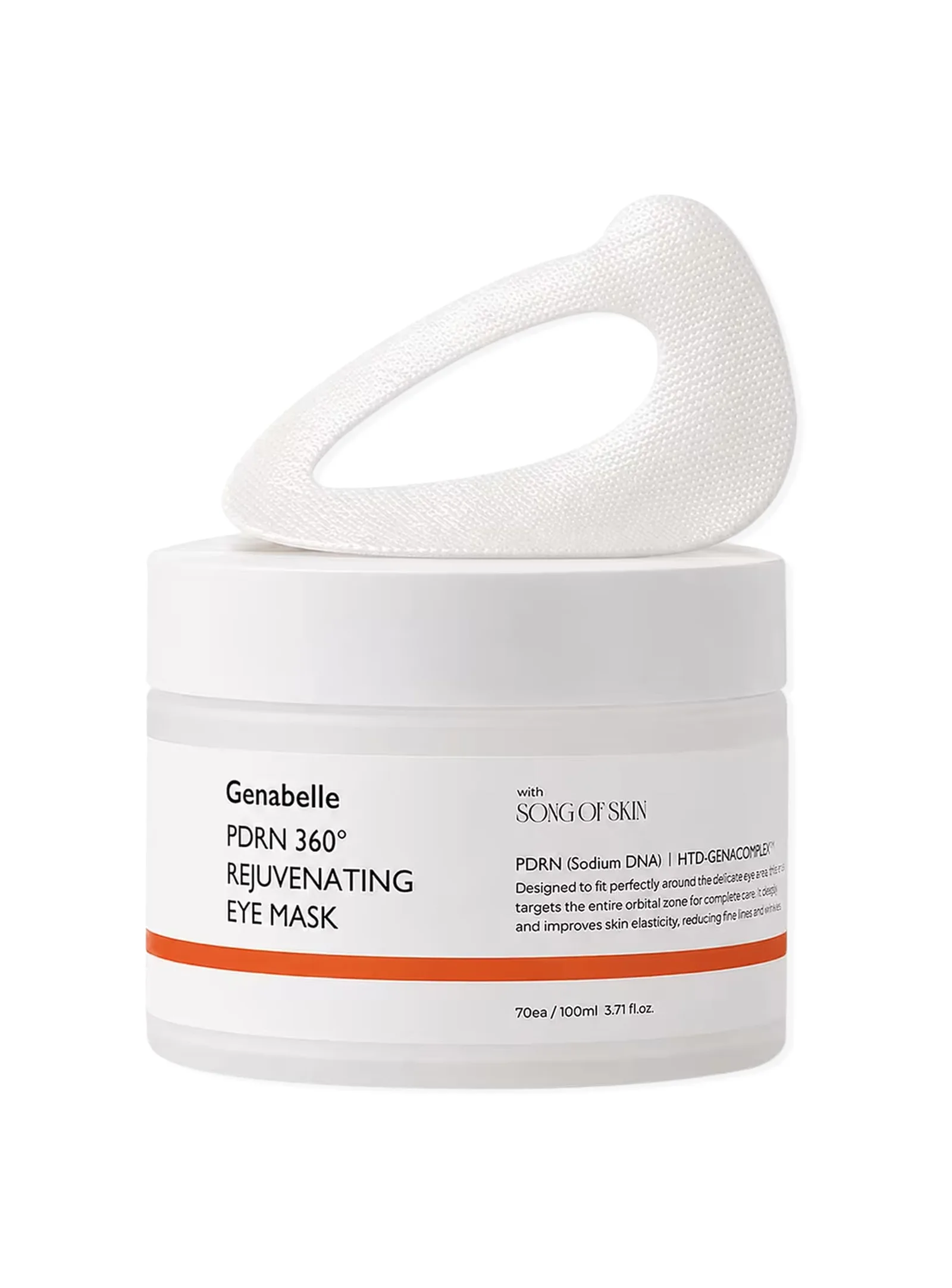
The 6 K-Beauty Brands You Should Stock Up On ASAP
Six K-beauty brands, from Genabelle's wraparound PDRN eye mask to Wellage's nine-molecule hyaluronic acid serum, chosen for documented formulas and clinical backing, not hype.
-
Before You Buy the 'Best Red Lipstick' Hype: Formula, Finish, and the Testing Nobody Mentions
Red lipstick roundups like Allure's repeat the same five shades across competing outlets, built on a decades-old color convention. Independent lab tests on two prestige reds found lead this year, so check the finish and the record, not just the name.
-
Yepoda's Bubble Double Foam Cleanser: What's Actually in the Bottle, and What It Costs
A $23 foam cleanser built for double-cleanse step two pairs salicylic acid with mild glucoside surfactants, arriving at US Sephora stores just as Yepoda pushes into the market.
-

Olaplex's No.3 Plus Promises Triple-Strength Hair. Here's What's Actually New in the Bottle
The relaunched No.3 Plus adds a new polymer complex to Olaplex's bond-repair base, but the "3x stronger" claim traces back to brand-funded testing, not independent data.
-
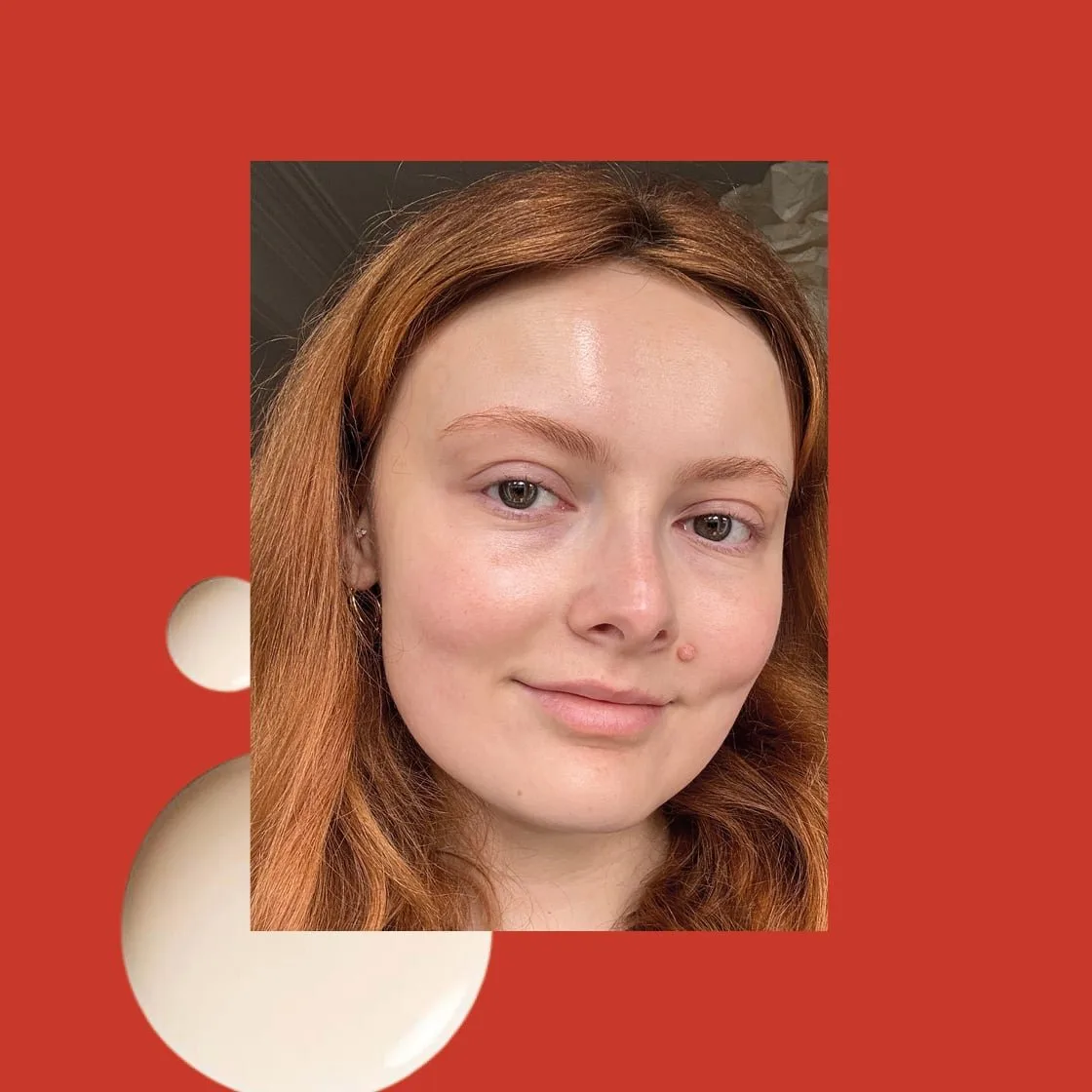
Dermalogica's $89 "Longevity" Serum Promises Cellular Repair. The Science Behind Its Headline Ingredient Doesn't Quite Back That Up.
Dermalogica's $89 FutureCode Booster rides 2026's "skin longevity" trend, but its headline ingredient teprenone has no documented link to NAD+, and the brand's own 7-day claim doesn't match its FAQ.
-
Medicube’s Collagen Jelly Mask Promises a Dewy Finish, With a Few Important Caveats
Medicube’s collagen jelly mask earned its glow claim through a reviewer’s smooth, hydrated finish after up to three hours of wear. The $15 price is a time-sensitive sale snapshot.
-
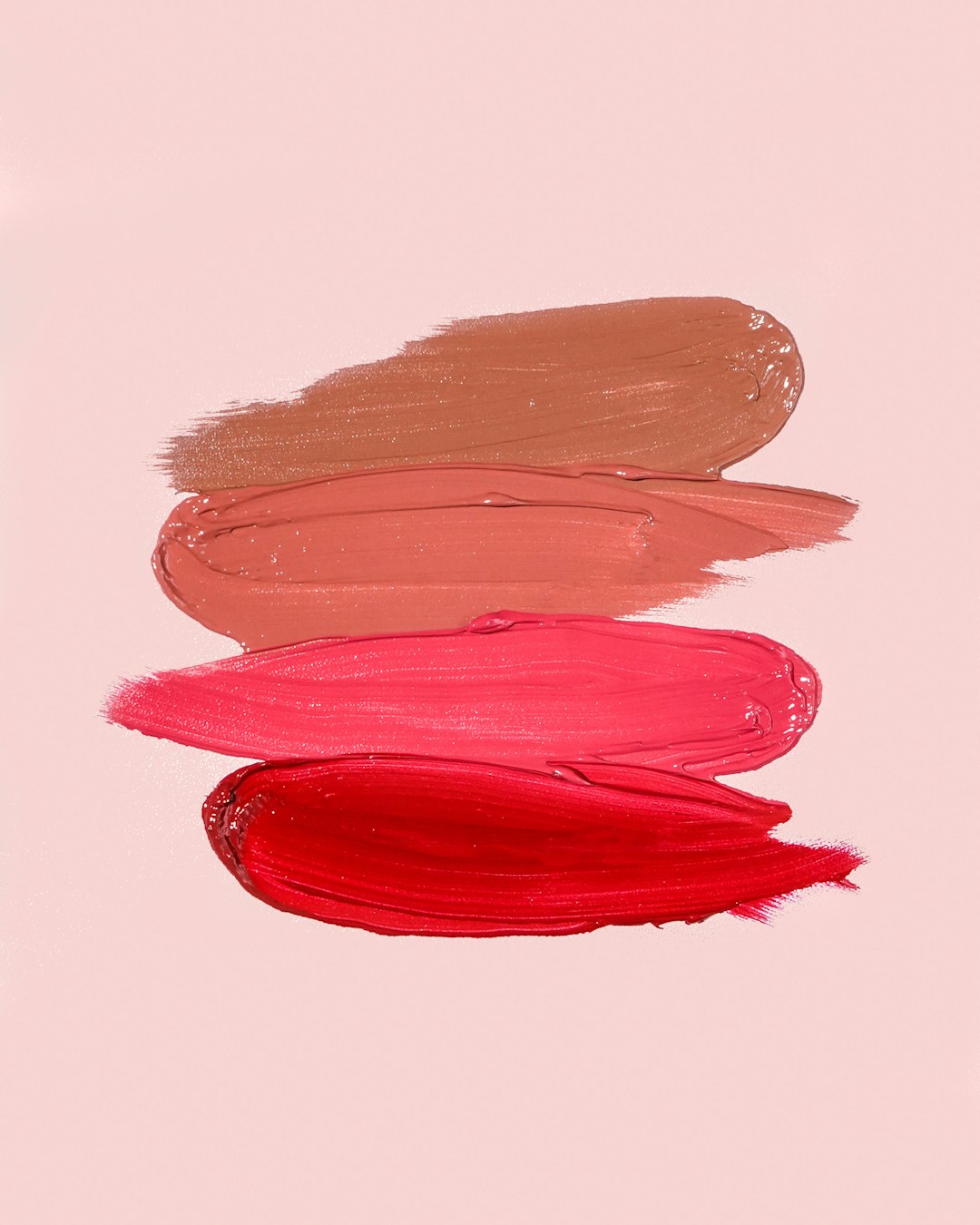
Aprilskin Hero All Day Plumping Lip Stain Review: What the Claims Actually Hold Up
Aprilskin's wipe-off formula leaves a lasting pink stain, but its plumping claim and ingredient list raise questions Allure's review only partly answers.
-
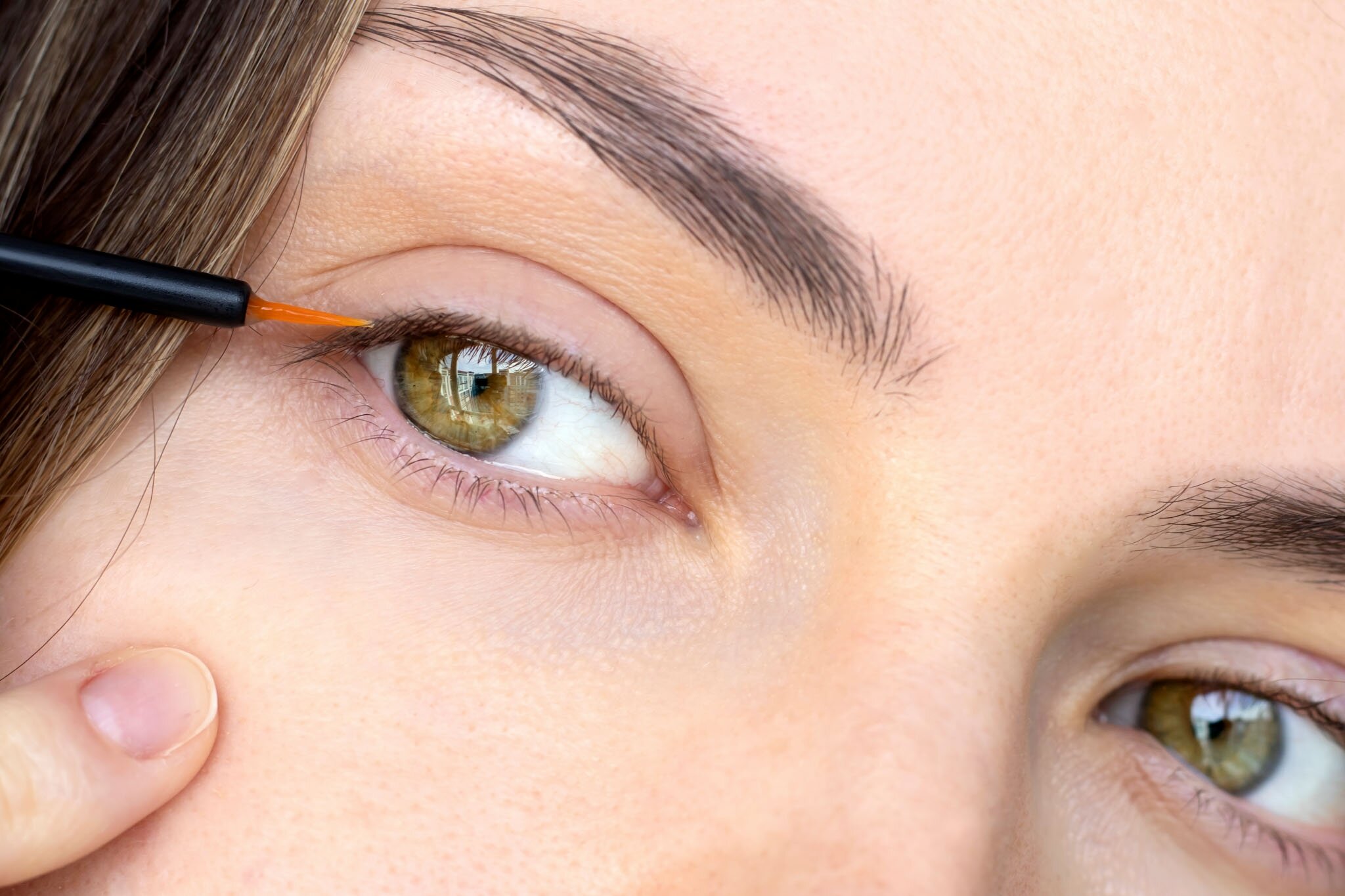
Eyelash Serums That Work Are Exactly the Ones Regulators Call Unsafe
Stiftung Warentest found that over half of eyelash growth serums pose safety risks, and the EU's own safety committee agrees the active ingredient can't be deemed safe at any tested dose.
-
A Repair Cream's 30-Second Effect After Laser Treatment, Measured in a Split-Face Trial
A split-face trial in the Journal of Cosmetic Dermatology found a cream with dexpanthenol, fibronectin peptide, and Coreopsis tinctoria extract cut water loss and redness within minutes of laser treatment, with gains in skin thickness and density over 14 days.
-
The Fine Print Behind 2026's Viral Korean Skin-Care Devices
Before buying a microcurrent wand or LED mask off a TikTok Shop link, check the clearance status, the seller, and what the clinical evidence actually says.
-
Does the Glutathione Booster Actually Add Anything? A Split-Face Trial on GHK-Cu Spicule Regimens
A split-face clinical trial in the Journal of Cosmetic Dermatology tests whether adding a glutathione booster to a GHK-Cu spicule regimen improves on the base treatment alone, using each patient's own face as the control.
-
11 K-Beauty Best of Beauty Winners 2026, and Why the Formulas (Not Just the Marketing) Justify the Hype
Allure's editors picked these Korean skincare winners on formula and results, not virality. Here is what the labels and pricing actually mean for buyers now.
-
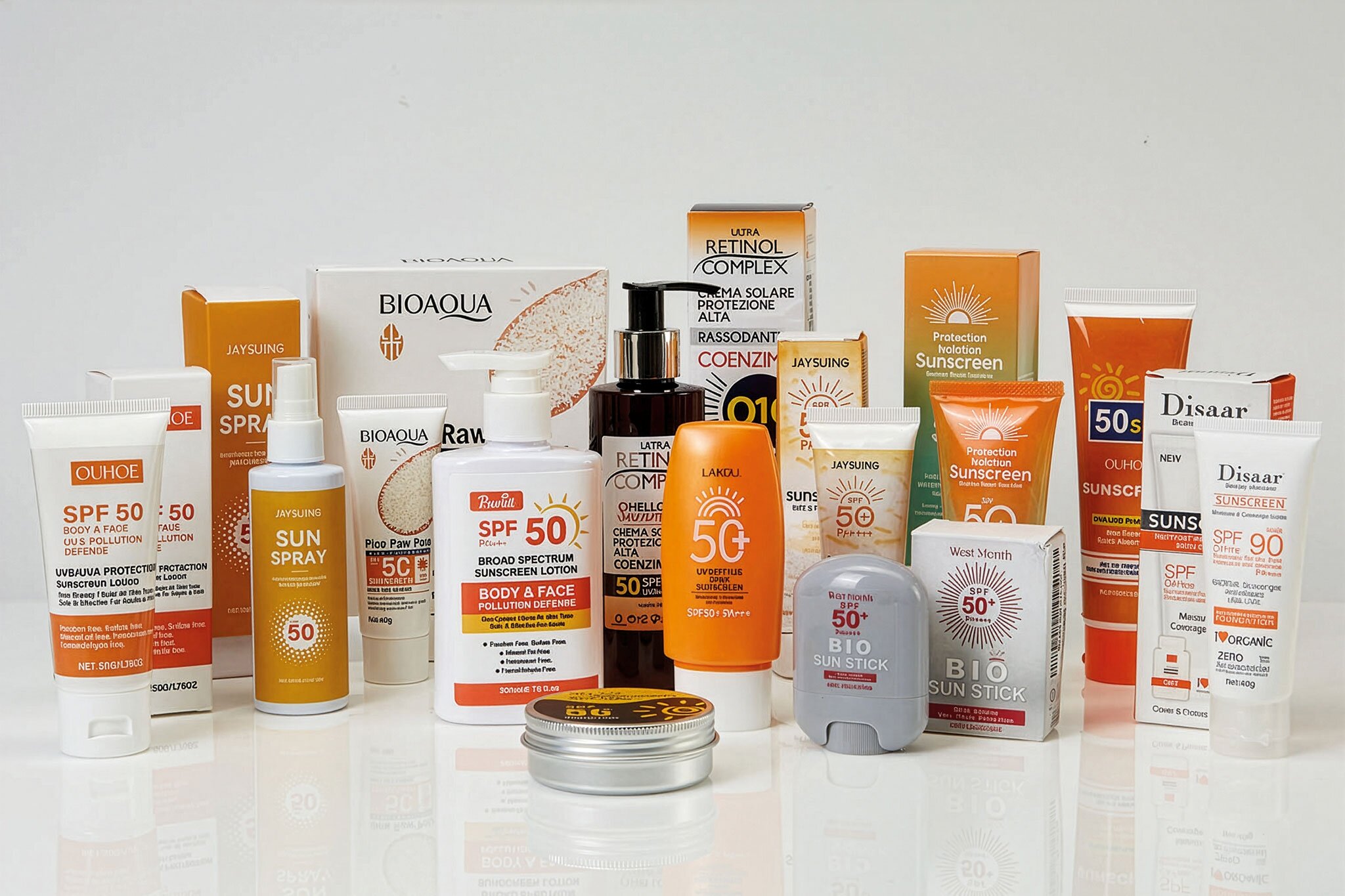
Sunscreens From AliExpress, Shein and Temu Failed Almost Every SPF Test
A French-led test of ten marketplace sunscreens found nine failed their SPF claims, with some labeled 50 measuring near zero protection, and three contained an EU-banned UV filter.
-

Behind the "Korean Secret" Cream: An Affiliate Link, a TikTok, and a Repurposed Bleeding Drug
A Grazia France piece framed as a Korean beauty secret is built around one Celimax cream, a TikTok embed, and an Amazon affiliate link, behind it sits a real trend in topical tranexamic acid and a K-beauty brand's quiet expansion into Ulta.
-
L'Oréal's Own Website Says This Isn't a Skin Tint
L'Oréal Paris's own product pages classify the Lumi Glotion that headlines are calling a foundation-replacing skin tint as a highlighter, not a skin tint, and its beauty magazine says so explicitly. The company reserves that term, along with a foundation-like coverage claim, for a different product it sells under that exact name.
-
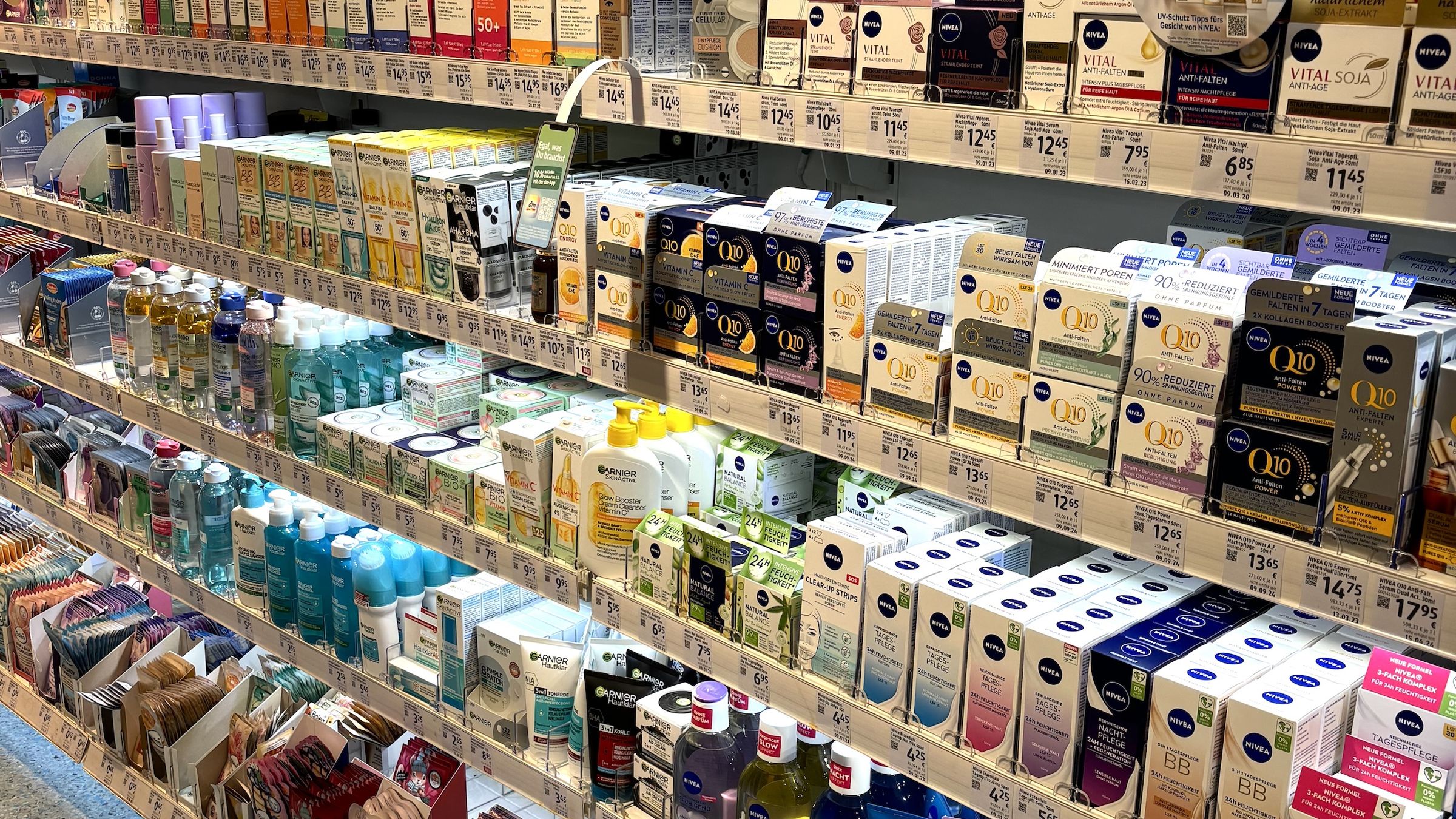
The Nine-Euro dm Cream Never Actually Links to dm
A widely shared 'nine-euro cream from dm' article never once sells the cream through dm: its only working purchase link routes to Douglas at 9,80 euros, while Weleda's own site prices the identical jar at 11,90.
