Review
Eyelash Serums That Work Are Exactly the Ones Regulators Call Unsafe
Stiftung Warentest found that over half of eyelash growth serums pose safety risks, and the EU's own safety committee agrees the active ingredient can't be deemed safe at any tested dose.
Published
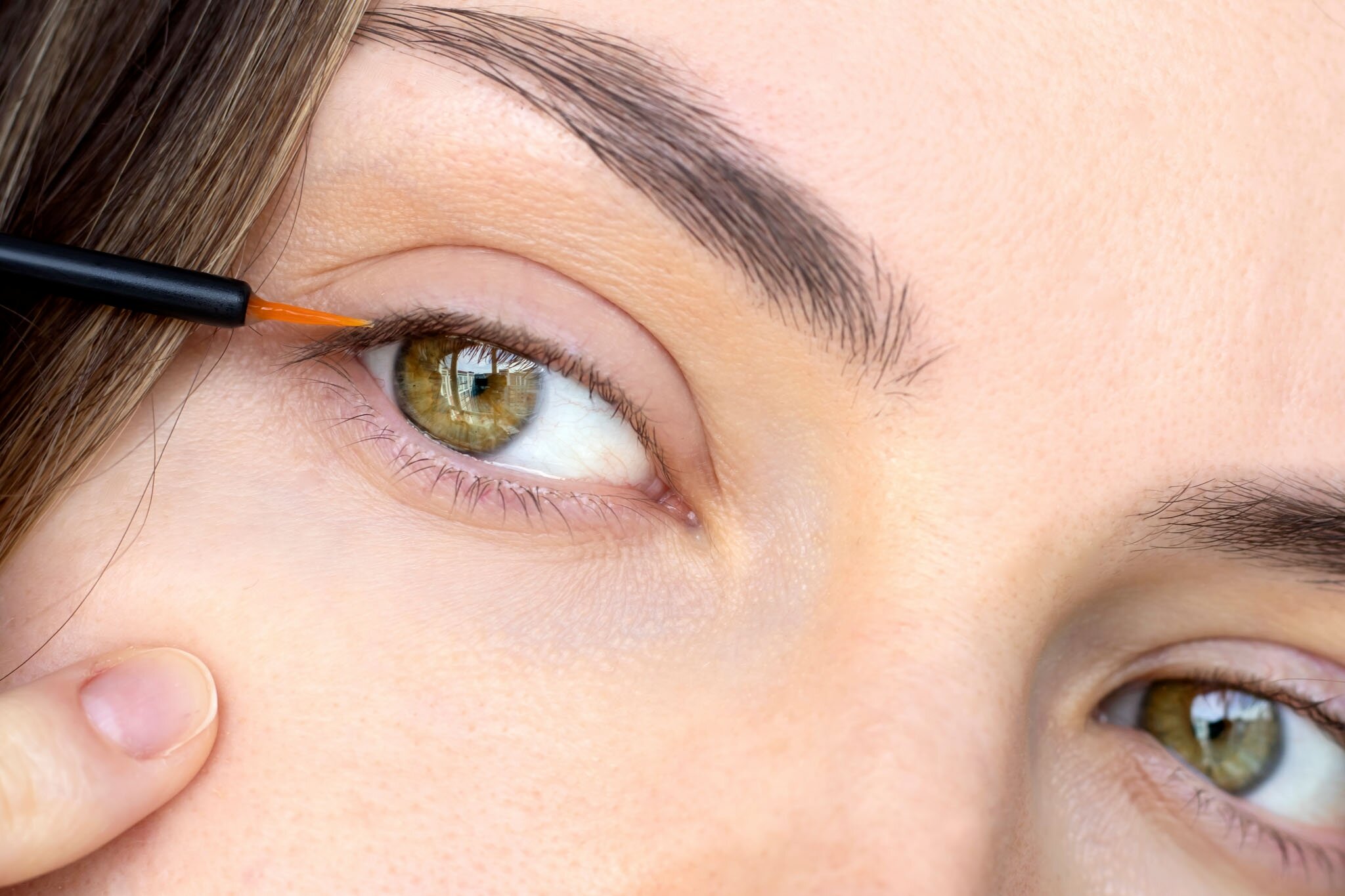
Stiftung Warentest's consumer advisory on eyelash serums, "Wachstumsmittel mit Tücken," carries a blunter message than its headline lets on: more than half of the products examined are not safe to use near the eye. The organization has never run a full comparative ratings test of lash serums. What it has done, repeatedly since 2019, is confirm that the active ingredients in question genuinely do grow lashes. The problem test.de keeps circling back to is not whether these formulas work. It is what the ingredient that makes them work does to the rest of the eye.
That ingredient class is prostaglandin analogues, a group of molecules originally developed for glaucoma eye drops under names like bimatoprost. Serum makers use close chemical relatives, among them isopropyl cloprostenate and methylamido-dihydronoralfaprostal, specifically because they are not identical to the patented drug molecule. In February 2025 the EU's Scientific Committee on Consumer Safety closed the question of whether that distinction matters for safety. Its opinion, SCCS/1680/25, concluded that none of three tested prostaglandin analogues can be considered safe for use in eyelash or eyebrow cosmetics, even at concentrations as low as 0.005 percent for isopropyl cloprostenate.
The harms are not hypothetical. They are documented in the ophthalmology literature on bimatoprost's medical use: permanent darkening of the iris, which can leave eyes two different colors if a serum is applied unevenly; loss of fat around the eye socket, producing a sunken look that does not reliably reverse; skin pigmentation changes on the eyelid; and, in rare cases, drooping of the upper lid severe enough to need surgery. These are the same biological effects that make the drug version of this molecule, sold in the US as Latisse, a prescription-only product rather than something stocked next to mascara.
That regulatory gap is the real story behind the warning. Canada has already banned prostaglandin analogues from cosmetics outright. The EU has not, even after its own safety committee said none of the tested compounds pass muster. A public comment period on the SCCS opinion ran through August 2025, and the European Commission is now weighing what to do with that finding, but no restriction has been set and no date has been confirmed for one. In the meantime, enforcement is happening product by product: in September 2025 the EU's Safety Gate alert system flagged a Trucosmetics lash serum for exactly this ingredient risk, while dozens of similar products containing isopropyl cloprostenate remain on sale and are still promoted in online comparison lists as the fastest-growing option on the market.
Germany's own courts have struggled with where these products belong. In April 2023 the Verwaltungsgericht Köln ruled that a lash serum containing methylamido-dihydronoralfaprostal counts legally as a cosmetic, overturning a 2014 finding by the federal drug regulator BfArM that the same formula required approval as a medicine. That ruling is part of why the EU is trying to settle the safety question through cosmetics law rather than drug law. For a shopper reading an ingredient list, the distinction has mattered: a prescription drug comes with monitoring, a cosmetic serum generally does not. The newer alternative lines marketed as "prostaglandin-free," built on peptides, biotin or caffeine instead, sidestep that risk but also, by most accounts, grow lashes more slowly and less dramatically than the ingredient regulators are now trying to restrict.
