Explainer
What Chinese Consumers Actually Mean When They Ask for 'Anti-Glycation' Skincare
A new survey of 800 women in China finds that glycation, a biological process, gets translated into shopping language like nourishing, repairing, and brightening.
Published
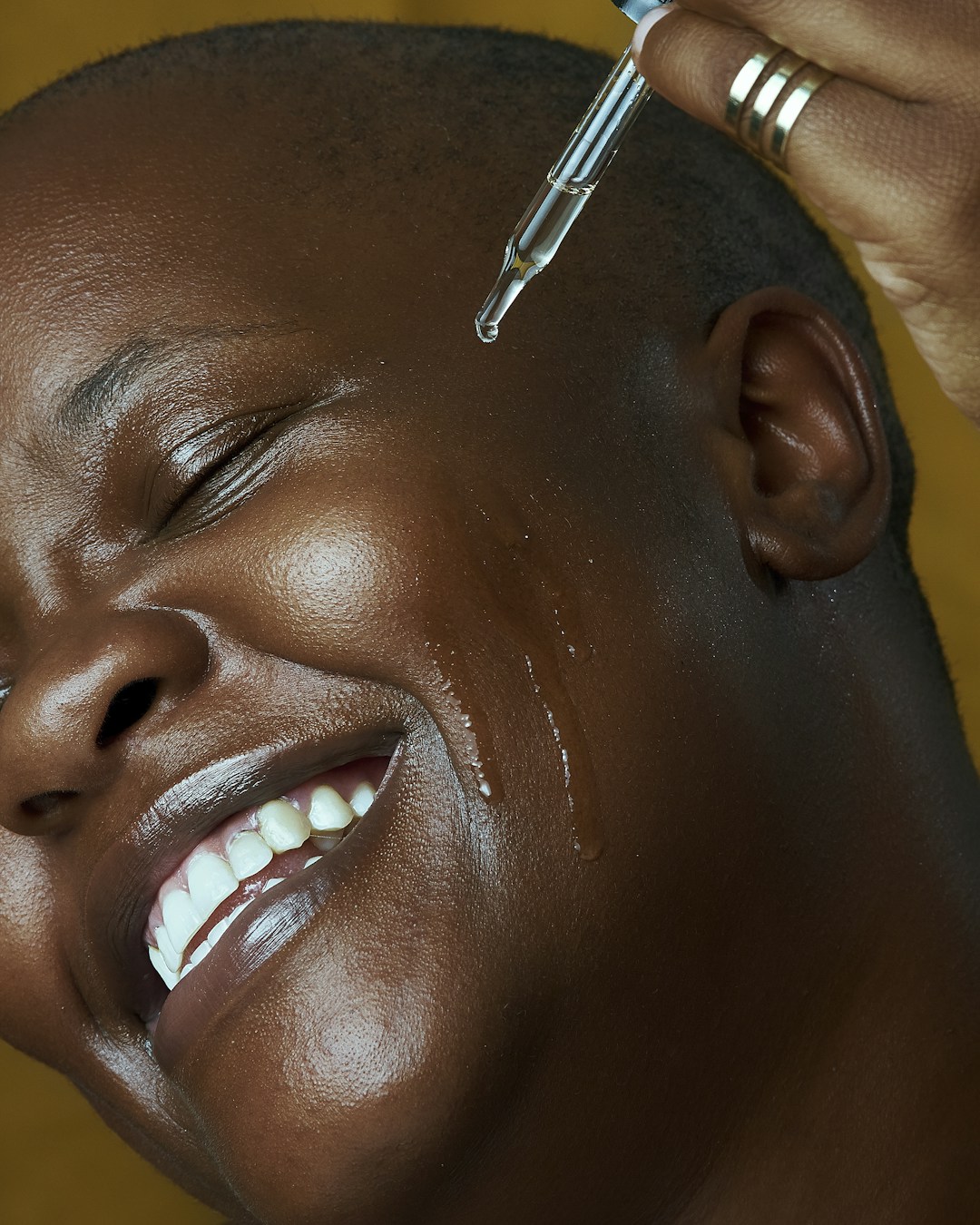
When skincare brands promise to fight glycation, they are responding to a biological process with real documented effects on skin. Glycation occurs when sugars bind to proteins like collagen, forming advanced glycation end products, or AGEs, that stiffen tissue and dull complexion over time. According to a review on AGEs published in PMC, "with the increase in the AGE content in the skin, volunteers developed skin problems such as yellowing, browning, poor" texture, among other changes.
A study in Scientific Reports adds a mechanistic detail: AGEs interact with a receptor called RAGE found on melanocytes, the pigment-producing cells in skin, and this interaction appears to promote melanin production. That finding gives a biological basis to the connection between glycation and pigmentation, one of the areas where consumer expectations and laboratory evidence actually align.
But a new study in the Journal of Cosmetic Dermatology (Wiley, October 2026) shows that most shoppers never encounter the word AGE at all. Researchers Sharon Shi, Kelly Chua, and Bee Leng Lua ran focus groups with 24 Chinese women and a survey of 800 more, aged 20 to 50, to find out how consumers actually think about glycation on their own faces. The vocabulary that emerged had little to do with proteins or receptors. Participants associated anti-glycation benefits with being 'nourishing,' 'repairing,' and offering 'skin and spot lightening.'
The researchers used a technique called TURF analysis, which estimates how many consumers a given product claim would actually reach, to rank these categories. 'Nourishing' topped the list, with an estimated 50% consumer reach, ahead of 'skin and spot lightening.' Among women who specifically named glycation as a concern, though, 'repairing' outperformed the lightening claim, suggesting that once shoppers name the problem, they start looking for restorative language rather than brightening promises.
The underlying skin science offers some support for that shift in emphasis. A separate paper in Scientific Reports on facial assessment methods found that AGE levels correlated more strongly with skin tone than with texture or hydration, meaning the pigment-related complaints that drive consumers toward lightening products track fairly well with actual glycation markers. Wrinkles, laxity, and impaired healing show up too, according to a review on skin glycomics in PubMed, but those effects are harder for a shopper to self-diagnose in a mirror than yellowing or dullness.
What the Journal of Cosmetic Dermatology study does not resolve is whether 'nourishing' or 'repairing' skincare formulations measurably reduce AGE accumulation in skin. A widely cited paper on cosmeceuticals in PMC notes that 'a large number of skincare products' make therapeutic claims 'while avoiding the regulatory framework of pharmaceuticals,' a gap that leaves plenty of room for marketing language to run ahead of formulation evidence. The Chinese anti-aging market itself reflects the pull of pigmentation claims specifically: a Polaris Market Research report projects that anti-pigmentation products will be the fastest-growing segment in China's anti-aging category through 2034, a trajectory that lines up neatly with what the 800 surveyed women said they wanted from a jar labeled anti-glycation.
