Explainer
What a New Study Actually Shows About Naringenin and Skin Inflammaging
A peer-reviewed paper documents how the citrus flavonoid naringenin affects inflammatory markers and aging biomarkers, separate from the ingredient claims already circulating in skincare marketing.
Published
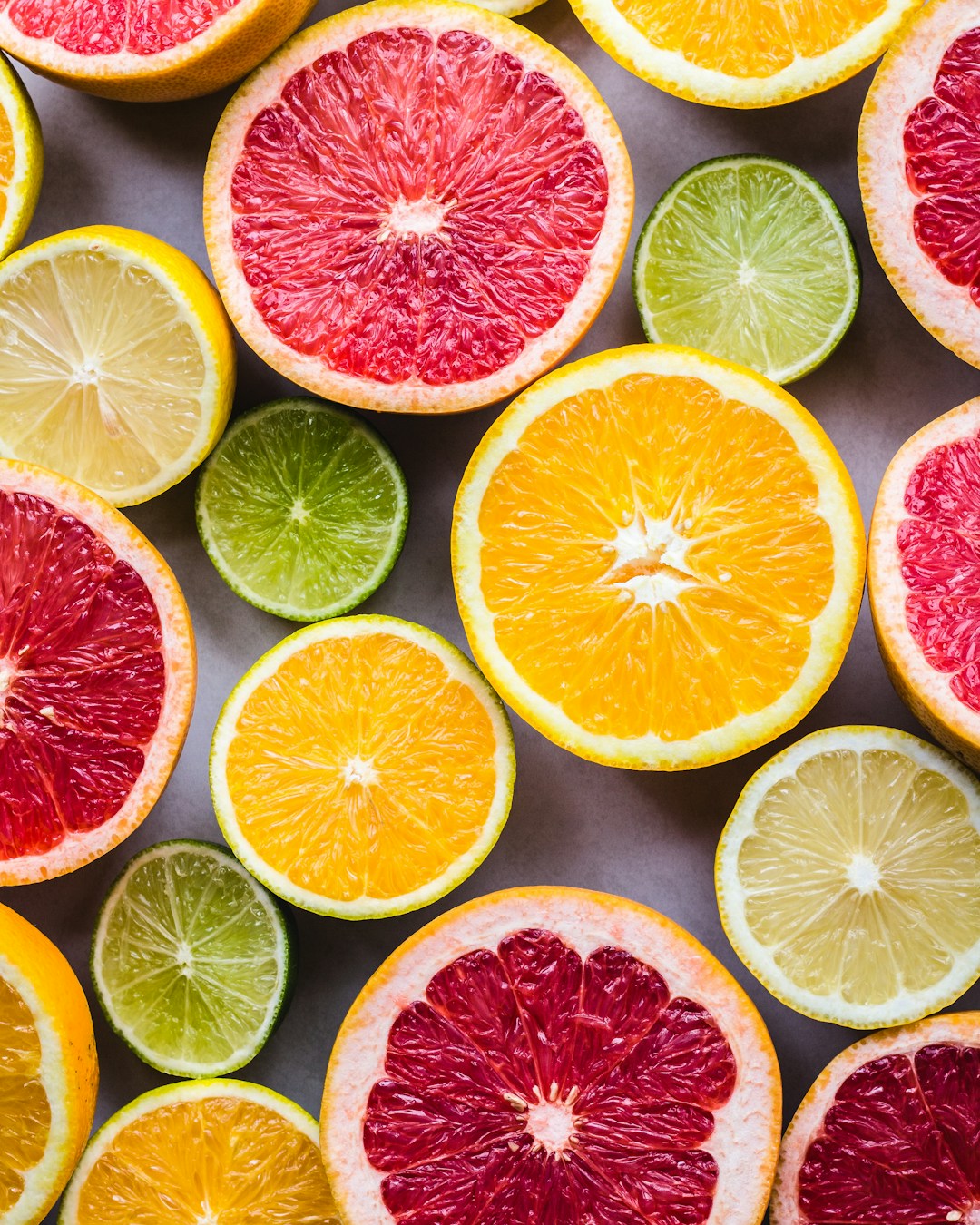
A study published in the Journal of Cosmetic Dermatology (Wiley), authored by Taylor Oswald, Zixuan Shao, and Nicholas Brideau, lays out a dual-track investigation of naringenin, a flavonoid found in citrus fruit, examining both its cellular mechanisms and its effects in a placebo-controlled human trial.
The lab portion of the work tested naringenin on normal human epidermal keratinocytes alongside acellular assays, using transcriptomic analysis as what the authors call a 'discovery-driven strategy' to map the ingredient's molecular effects. That analysis found downregulation of proinflammatory pathway genes and a measurable reduction in interleukin-6 (IL-6) and tumor necrosis factor-α (TNF-α), two biomarkers commonly used as proxies for inflammatory activity in skin cells.
These keratinocyte findings echo separate mechanistic work. A 2024 paper in Current Issues in Molecular Biology found that naringenin 'inhibited the transcriptional expression of known NF-κB-regulated inflammatory cytokines, including IL-1β, IL-6, and' related markers in human dermal fibroblasts exposed to LPS, a bacterial compound used to trigger inflammation in lab models. That paper's authors also noted a gap in prior literature, writing there had been a 'lack of existing research on naringenin's potential effectiveness and intracellular mechanisms of action in skin-related' conditions, before their own dermal fibroblast experiments.
Beyond inflammation markers, the Journal of Cosmetic Dermatology paper reports that naringenin showed radical-scavenging capacity, inhibited elastase activity, and reduced protein glycation in vitro, three separate mechanisms that researchers commonly associate with visible skin aging: elastase breaks down elastin, glycation stiffens collagen, and unchecked radical activity is linked to oxidative damage in skin tissue.
The clinical portion of the study, conducted with topical naringenin against a placebo, reported statistically significant improvements in wrinkle appearance, skin elasticity, and hydration, along with reduced visible redness among trial participants. The paper frames these outcomes as clinical support for what it calls the ingredient's 'anti-inflammaging' function, tying the visible skin changes back to the biomarker reductions measured in keratinocytes.
Marketing materials for naringenin-based products go further than the peer-reviewed data. A NewBeauty piece describes an unspecified 8-week placebo-controlled, double-blind study in which
100 percent of participants had a measured improvement in moisturization,
a claim of a specific study different from the one reported in the September 2026 journal issue, and one for which the underlying data was not made available in the excerpts reviewed. Ingredient supplier DEINDE, in a blog post on its site, cites '47+ clinical studies' on naringenin broadly and describes the difficulty of extraction, noting that 'it takes a substantial amount of effort and resources to transform grapefruit' into a stable cosmetic ingredient, without specifying which of those studies used the concentrations found in any particular finished product.
Other published research situates naringenin within a broader body of photoaging science. A paper archived on PubMed Central describes naringenin as targeting ERK2, a signaling protein implicated in UVB-induced skin damage, and separately, research on chronic wounds published in the same repository found that naringenin 'promoted wound healing in mice in vivo by inhibiting wound inflammation,' extending the ingredient's studied applications beyond cosmetic anti-aging into wound-repair contexts.
Separately, cosmetics trade press has tracked commercial interest in related citrus-derived compounds. Cosmetics Business reported that NAGASE Personal Care planned to launch Glucosyl Naringin, a related anti-aging ingredient said to promote elastin production, framing the move within what the outlet called a broader 2026 trend of 'skin care that targets inflammation,' even as it noted brands must find ways to 'sidestep' overstated claims in a crowded ingredient market.
