Review
Nail Charms Test Positive for Nickel Far More Often Than Spot Checks Suggest
A Contact Dermatitis study of 231 U.S. nail charms found nickel release in up to 67.5% by XRF, far above the 38.5% flagged by the standard DMG spot test, plus trace lead in a small subset.
Published
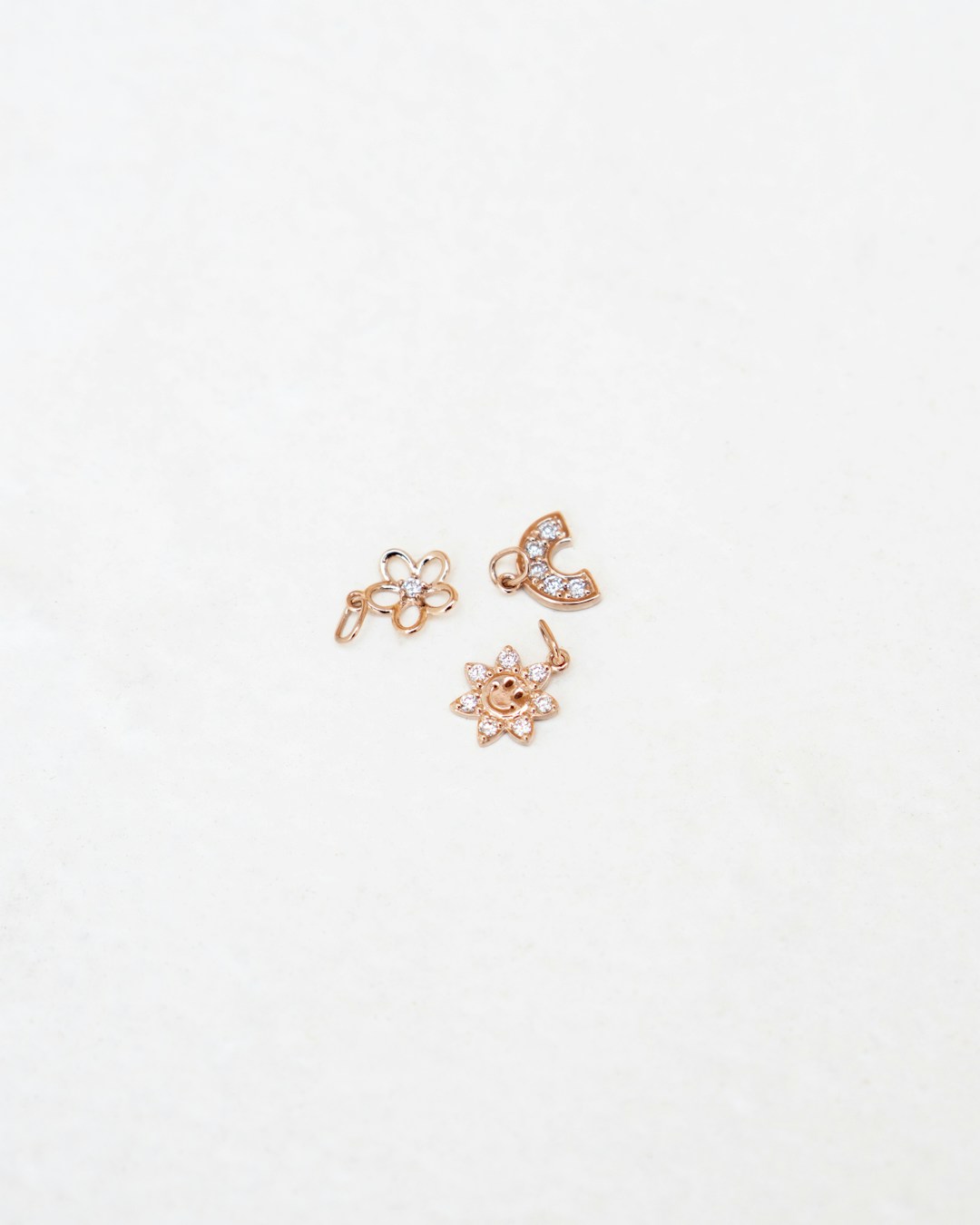
Nail charms, the small metallic and rhinestone embellishments pressed onto gel or acrylic manicures, have become a fixture of nail bars and online beauty shops. A new study in Contact Dermatitis puts a number on what has mostly circulated as anecdote: how often these charms actually release nickel, cobalt or lead onto skin.
Researchers Emily Ames, Tarah Schaffer, Brianna C. Peacock, David Cotter, Dathan Hamann and Carsten R. Hamann collected 231 nail charms from 25 brands, sourced from nail supply stores in Arizona and Nevada along with online retailers. Each charm went through two different kinds of testing, and the gap between those two methods is where the real story sits.
The dimethylglyoxime (DMG) spot test, a simple chemical swab that only flags nickel if it is actively leaching from the surface, found release in 89 of 231 products, or 38.5%. X-ray fluorescence spectroscopy (XRF), which measures total metal content in the material regardless of whether it is currently migrating out, found nickel in 156 products, or 67.5%. Nearly a third of charms carried detectable nickel that the spot test alone would have missed.
That distinction matters for anyone trying to read a product's safety claims at face value. A charm that passes a nickel spot test is not necessarily free of nickel; it may simply not be releasing enough, under that test's conditions, to register. The underlying metal content, measured by XRF, tells a more complete part of the story, and the two figures should be read as separate findings rather than interchangeable proof of safety.
Cobalt, a well recognized allergen alongside nickel in jewelry and other consumer products, was not detected by either method in any of the 231 charms tested. Lead showed up far less often than nickel but was not absent: XRF flagged it in 5 products (2.2%), and confirmatory spot testing verified lead release in 2 of those (0.87%).
The authors describe nail charms as "an underrecognized source of consumer exposure in the United States," pointing to a prior clinical report of nickel-releasing charms complicating allergic contact dermatitis in a young woman. No earlier U.S. study had measured nickel and cobalt content specifically in these charm products, leaving nail technicians and consumers without documentation of what the embellishments actually contain.
The study's authors frame the nickel findings as evidence of a plausible occupational exposure as well, since nail technicians handle these charms repeatedly across clients each day. For lead, the authors are more cautious, calling it "a rare but emerging source of exposure" rather than a widespread hazard, since only 5 of 231 charms showed any detectable amount.
