Explainer
What a Skin-Microbiome Study Actually Showed About Two Cosmax Bacterial Strains
An ex vivo study in donated human skin tested Cosmax's Live-MB2 and CX-2 strains on eczema-like inflammation, finding barrier gains but no cure claims.
Published · Updated
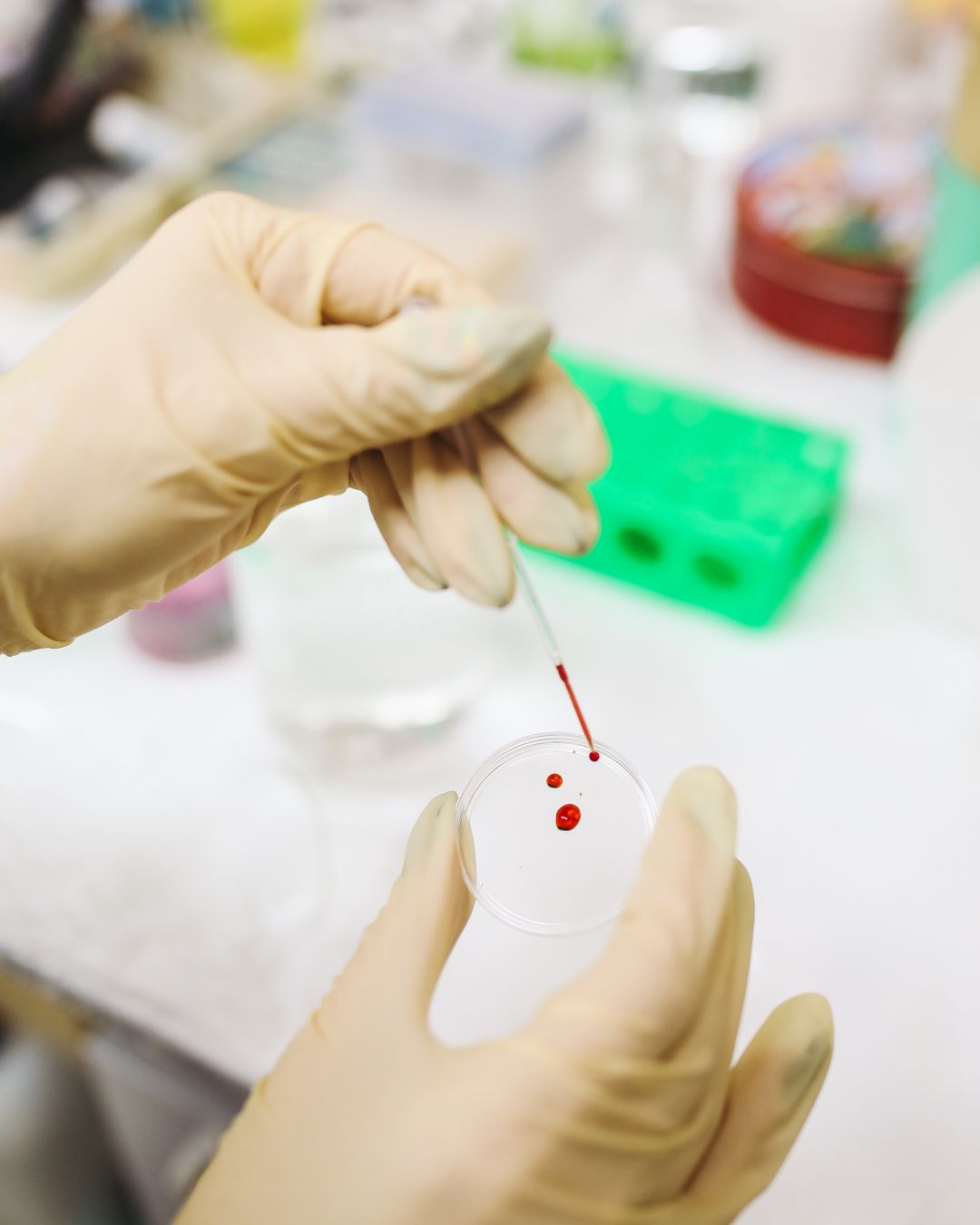
A new study published in Clinical, Cosmetic and Investigational Dermatology, the peer-reviewed Dove Medical Press journal, evaluated two live bacterial strains, Live-MB2 and CX-2, on human skin tissue treated to mimic atopic dermatitis. The paper, led by Sejin Cheon, Haeun Lee, Da Yeong Nam and coauthors, used an ex vivo model, meaning donated human skin samples kept alive and functioning outside the body in a lab setting rather than a live clinical trial on patients.
The strains themselves are not new. CX-2 traces back to what Cosmax has called its first-generation skin microbiome discovery, Strain CX, described in a 2019 product launch built around bacteria isolated from young women's skin, according to Personal Care Magazine's reporting on the company. Cosmax later expanded that platform, and Global Cosmetic Industry reported the company's move toward what it termed a 'second-generation skin microbiome,' branded Rappoilot, aimed at anti-aging applications. Live-MB2 sits alongside CX-2 in this newer research as a live biotic candidate rather than a dead or fragmented bacterial extract, a distinction that matters because live strains are harder to formulate and stabilize in finished cosmetic products.
In the ex vivo experiments, the researchers looked at specific, measurable biomarkers rather than broad claims about 'healthier skin.' One finding singled out in the paper: 'FLG protein expression significantly recovered in the topical CX-2 group.' FLG refers to filaggrin, a structural protein essential to the skin's outer barrier; reduced filaggrin is a hallmark of atopic dermatitis and a reason skin affected by the condition loses moisture and lets irritants in more easily. Seeing filaggrin levels bounce back after topical CX-2 treatment is the kind of barrier-specific evidence that distinguishes a mechanistic study from a marketing anecdote.
The authors also reported that skin treated with CX-2 and Live-MB2 showed restored epidermal barrier-related readouts, and importantly, no signs of overt tissue damage under the conditions they tested. That second point is a limitation as much as a reassurance: the paper only speaks to the specific concentrations, exposure times and skin model used in this particular experiment, not to how these strains behave across the range of formulations, skin types, or durations a commercial product might involve.
The methods section describes how the bacteria were grown before testing: a single colony from an agar plate was inoculated into a seed culture medium, followed by a 1% secondary inoculation and further fermentation steps. That detail matters for anyone trying to assess reproducibility, since live-biotic skincare depends heavily on how strains are cultured, concentrated and kept viable before they ever reach a jar or serum.
None of this establishes that a finished product containing Live-MB2 or CX-2 will replicate the ex vivo results on real, intact human skin over weeks of use, a gap the paper does not attempt to close. A separate ex vivo 'leaky skin' study, unrelated to Cosmax but working with similar tissue models, has noted that inflammatory markers like IL-31, tied to itching and type 2 immune responses in atopic dermatitis, can shift rapidly in these systems, underscoring how sensitive such models are to experimental conditions. The Cosmax-linked paper's contribution is narrower and more concrete: two named strains, one recovered protein, and a controlled laboratory setting, with the harder question of everyday product performance left for future studies to answer.
