Explainer
A Salmon-DNA Filler Gets Its Efficacy Data, With a Few Gaps Left Showing
A 28-patient trial of the polynucleotide filler Plinest tracked hydration and elasticity for four months, turning up a curious mid-course dip in skin hydration.
Published
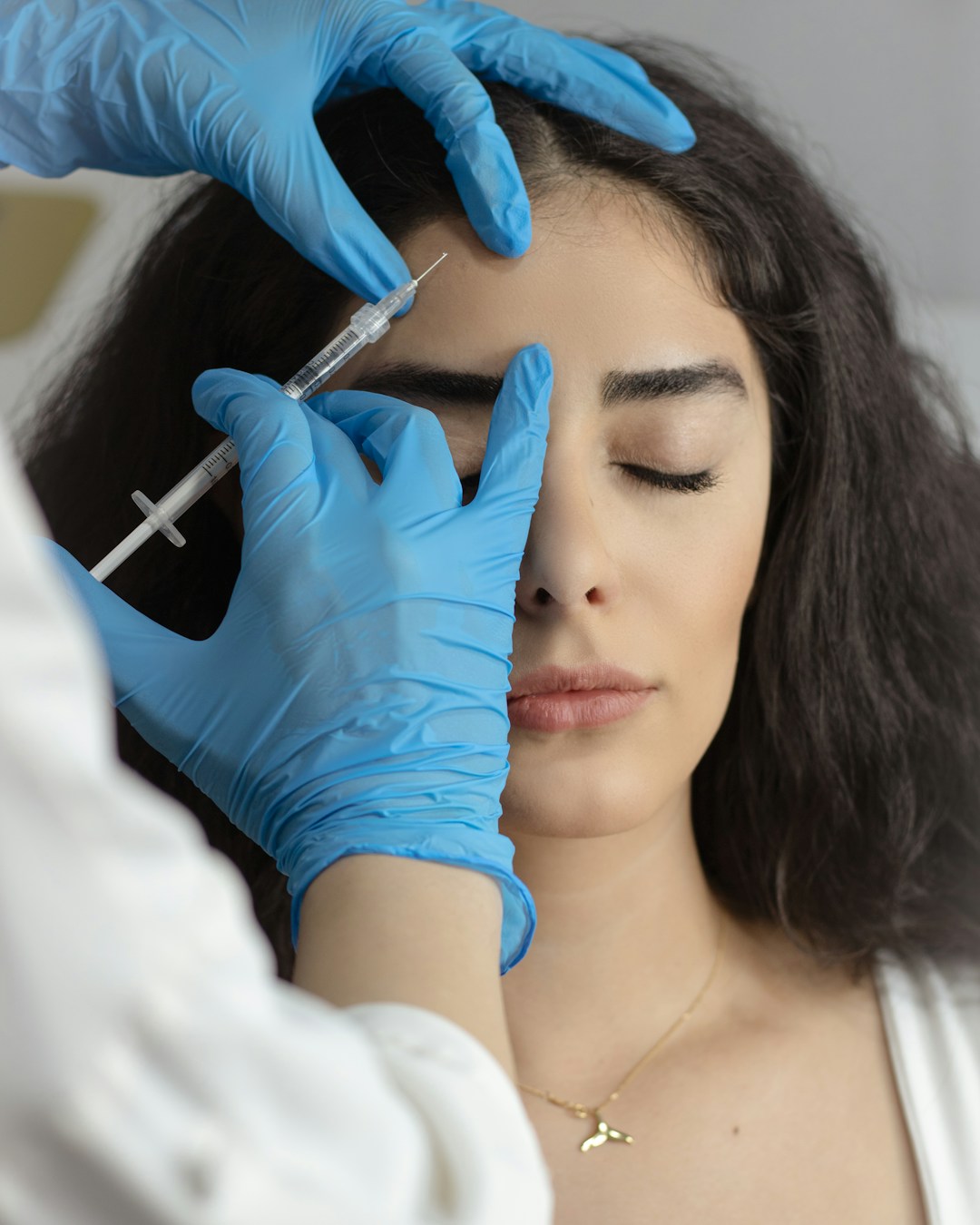
Polynucleotides, the fragmented DNA chains harvested from salmon or trout sperm and used in regenerative dermal fillers, now have a prospective clinical trial behind one commercial formulation. A study in the Journal of Cosmetic Dermatology tracked 28 subjects who received Plinest, a polynucleotide filler made by the Italian company Mastelli, across three injections spaced two weeks apart, with follow-up visits at two and four months after the final dose.
The ingredient's proposed mechanism is what separates it from volumizing fillers like hyaluronic acid: polynucleotides are marketed as stimulating fibroblast activity and tissue hydration rather than simply filling space. Researchers Chiara Teramo, Andrea Mattioli, and Carolina Prussia measured that claim directly, tracking skin hydration, elasticity, and turgor across the face, neck, and decolletage rather than relying on before-and-after photos alone.
The hydration data, read closely, complicate a simple improvement story. Facial hydration rose from 48.8% to 50.4% two weeks after the first injection, then dipped at the second injection before peaking at the two-month follow-up and settling at 49.6% by month four. That dip-then-recover pattern suggests the treatment course itself, not just the final formulation, shapes how skin responds over time, a detail that a single before/after comparison would have missed entirely.
Elasticity gains were more consistent, improving by 5 to 11 newtons per meter between baseline and the four-month mark. On the clinician-facing Global Aesthetic Improvement Scale, both subjects and investigators recorded a median two-point increase across all three treatment areas, and patient satisfaction scores landed between 4 and 5 at the later visits despite injection pain that participants rated as moderate, and notably higher in the face and neck than in the decolletage.
What the paper does not resolve is how this formulation's biological activity compares to competing polynucleotide products, since the trial had no control arm and enrolled a single-arm cohort of 28 people. The adverse events recorded were described only as mild and transient, without a detailed breakdown, leaving open exactly what side effects patients should expect before signing up for a three-injection course that, per this study, takes four months to show its full effect.
