Explainer
What a 30-Person Serum Study Can and Can't Tell You About 'Next Generation Hydration'
A proof-of-concept trial in the Journal of Cosmetic Dermatology backs a new HCH serum's hydration claims, but the study's small size and open-label design set real limits on what those numbers mean.
Published
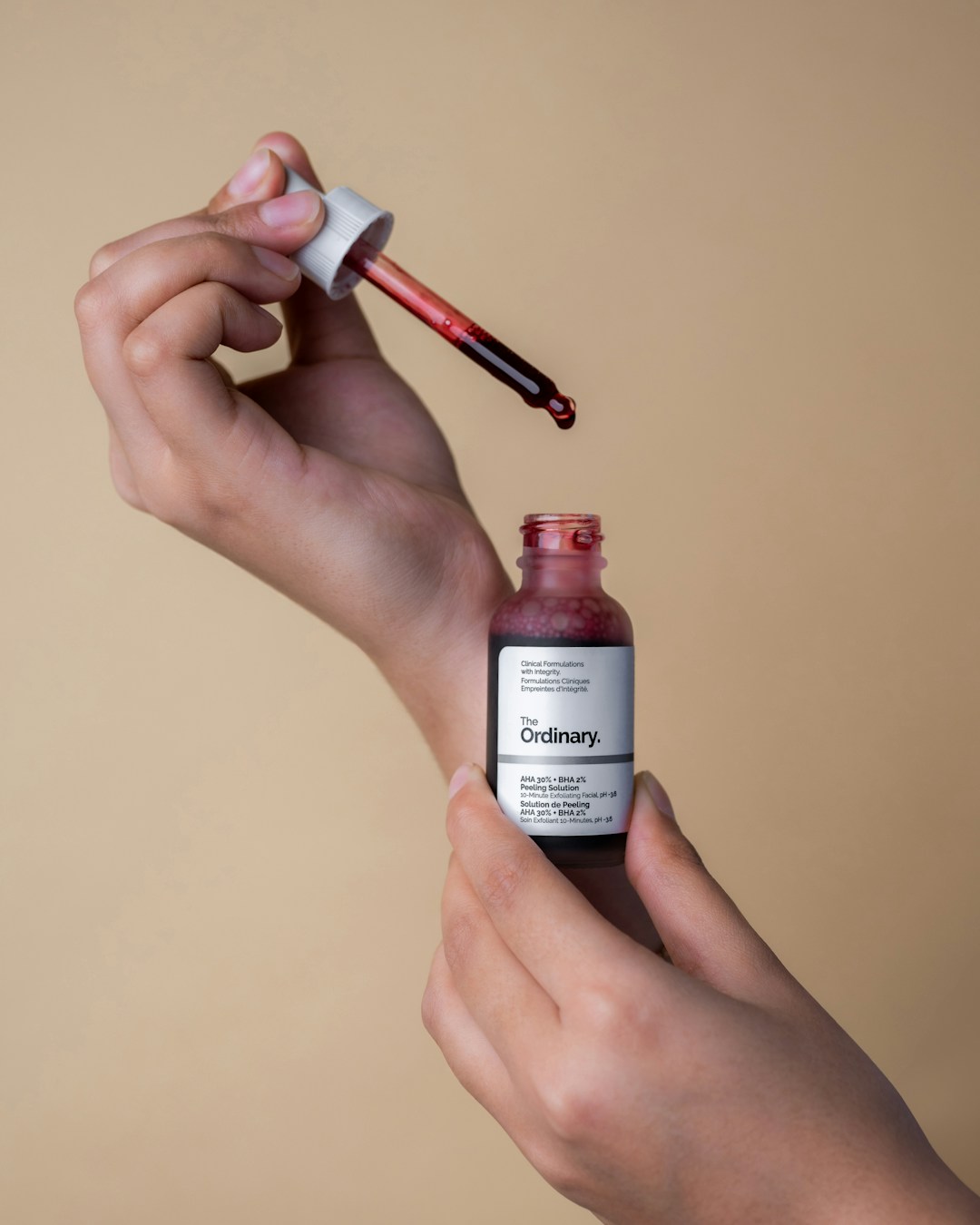
A new open-label study published in the Journal of Cosmetic Dermatology describes a topical serum called HCH, short for a proprietary blend the manufacturer markets as a "next generation hydrator," designed to boost the skin's own supply of biohumectants rather than simply sitting on top of the skin as an occlusive layer.
The trial, led by Lisa Goberdhan and colleagues including Elizabeth T. Makino, enrolled 30 participants with mild to severe facial dryness, ranging in age from 24 to 74, and had them apply HCH twice daily for 12 weeks. Investigators used clinical grading, instrumentation measurements of epidermal and dermal hydration, and FACE-Q self-assessment scales to track results at baseline, immediately after application, and at multiple points through Week 12.
The reported numbers are striking on their face: statistically significant improvements in dryness, roughness, and radiance scores immediately after a single application (p < 0.0001), continued gains in global epidermal hydration and skin barrier function through Week 12, and a self-reported perception among participants that they looked, on average, 3.2 years younger after three months of use. Ninety-seven percent said they were highly satisfied with the product, and irritation scores stayed under 1 on the study's scale, indicating none to mild reactions throughout.
What the abstract does not resolve is how much of that satisfaction reflects the serum's mechanism specifically. The study had no control group and no blinding, standard limitations for a proof-of-concept trial but ones that matter when a paper doubles as marketing material, since Makino and co-author Tsing Cheng are listed as employees of the company developing the formulation according to disclosures tied to related conference material from the Science of Skin Summit 2025.
That summit's poster abstracts, published in the Journal of Clinical and Aesthetic Dermatology, describe HCH being tested as an adjuvant alongside facial injections and microneedling in a separate 30-person cohort, with the conclusion that it was "an effective and well tolerated adjuvant" in combination treatments. Those posters, too, list Cheng and Makino as authors and disclose their employment status, a pattern that recurs across the HCH literature currently available.
The formulation's stated mechanism rests on five distinct forms of hyaluronic acid, according to a related pilot study on the same hydrator published on PMC, including a time-release form meant for extended delivery and a cross-linked form intended to sit differently in the skin barrier than standard HA. That multi-form HA approach echoes ingredient lists used in other commercial hydration serums, including SkinMedica's HA5 Hydra Collagen line, which markets a five-form hyaluronic acid complex of its own.
For now, the clinical picture on HCH rests on a small, sponsor-linked, uncontrolled study of 30 people over 12 weeks. The dryness and radiance scores hold up statistically within that design, and the tolerability data look clean. Whether those results generalize beyond a single-center, unblinded proof-of-concept trial, and how much of the reported 3.2-years-younger perception reflects the product itself, are questions the current dataset was not built to answer.
