Explainer
A Portuguese Thermal Water Gets a Formulation Upgrade, With Data to Back It
Chaves spring water plus plant extracts and a natural chelator improved lab measures of anti-ageing and anti-inflammatory activity versus water alone.
Published
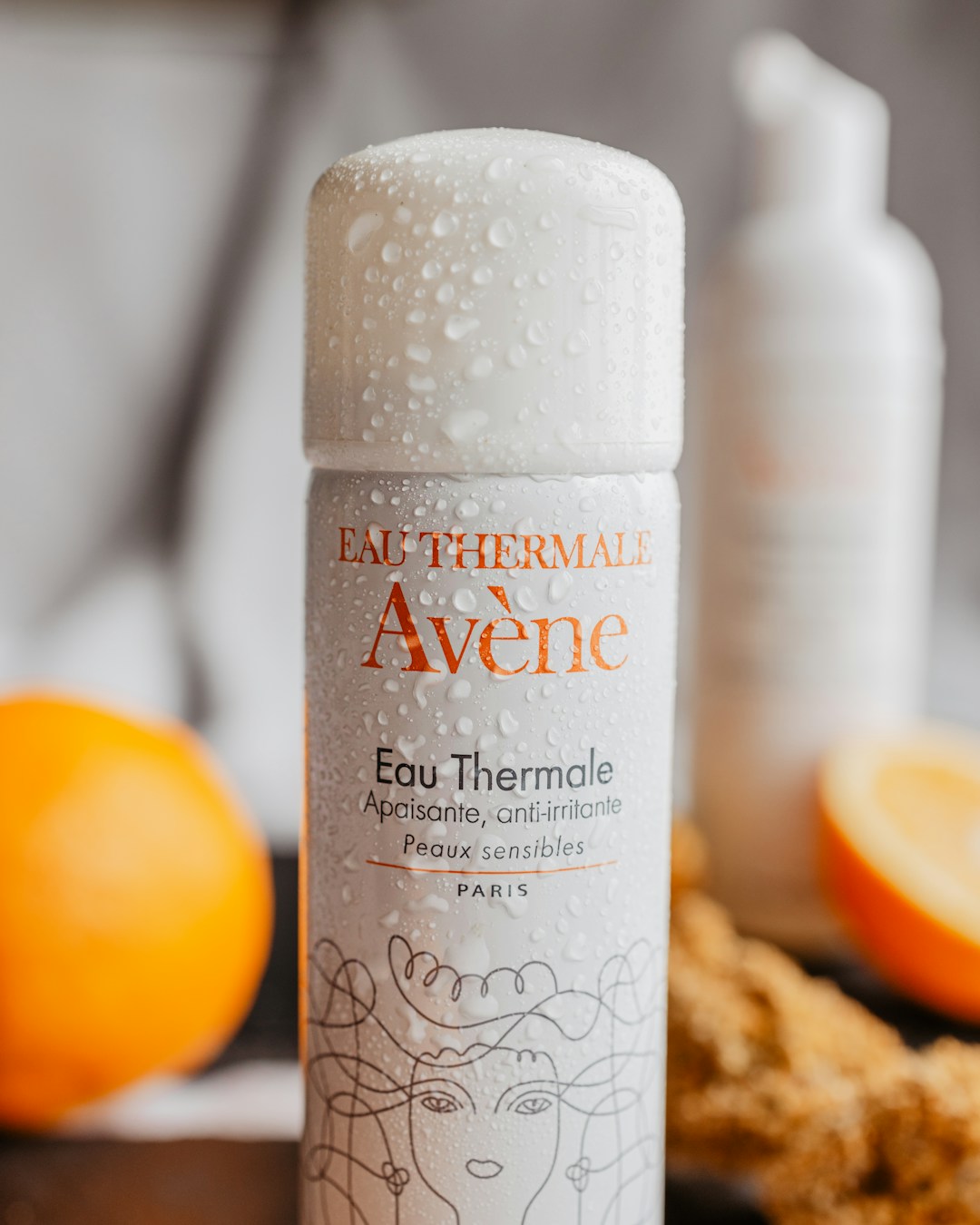
Thermal spring water has long been sold on tradition; the town of Chaves in northern Portugal has drawn bathers to its hot springs since Roman times, when the settlement of Aquae Flaviae grew up around a source that still emerges at a steady 73°C, according to local historical accounts. A new study in the International Journal of Cosmetic Science asks a narrower, more testable question: what does a formulated cosmetic product built around that water actually do in a lab.
The paper, led by Pedro Emanuel Rocha and colleagues, builds on earlier work characterizing Chaves thermal water itself, which had already shown anti-inflammatory activity in human keratinocytes, including reduced interleukin-6, and improved skin barrier measures such as lower transepidermal water loss in prior in vivo testing.
For this study the researchers moved past the raw water. They built a formulation that is roughly 80% Chaves thermal water combined with extracts of mallow (Malva sylvestris) and cucumber (Cucumis sativus), plus sodium phytate, an ingredient marketed as a natural alternative to EDTA-type chelators used to bind trace metals in cosmetic products, according to formulation-ingredient supplier Lotioncrafter.
The combination was designed to hit a high natural index, a metric tied to voluntary standards such as ISO 16128, which the standards body AFNOR notes does not by itself allow a product to be labeled 'organic' on its packaging.
Tested against the thermal water alone, the formulation showed a substantial increase in antioxidant capacity as measured by ABTS radical scavenging, along with stronger inhibition of three enzymes linked to skin ageing: matrix metalloproteinase-1, tyrosinase, and elastase. In human HaCaT keratinocytes stimulated with particulate matter, the formulation reduced levels of interleukin-6 and interleukin-1α, with the authors reporting that the interleukin-1α reduction showed 'notable improvement compared with the thermal water.'
The researchers also ran antimicrobial screening against Staphylococcus aureus and Staphylococcus epidermidis using growth curves, part of a broader characterization effort rather than a headline finding.
What the study does not do is test the formulation on human skin. The results come from ABTS and DPPH antioxidant assays, enzyme inhibition assays, and cell-culture experiments with keratinocytes, the standard early-stage toolkit for cosmetic ingredient research. Whether the enhanced enzyme inhibition or cytokine reduction seen in these assays translates into measurable changes in wrinkle depth, redness, or barrier function on real skin is a separate question the paper does not address.
Chaves water itself has been characterized elsewhere as having a neutral pH of 6.8 and passing cytocompatibility screening under ISO 10993-5, meaning it did not reduce viability of human dermal fibroblasts or keratinocytes by more than 30% in prior testing, according to a related paper in the journal Applied Sciences. That baseline safety and compatibility work forms the foundation the new formulation study builds its performance claims on.
