Explainer
Alkyl Glucosides Are Everywhere on Dutch Shelves, and the Evidence Trail Is Split
A Dutch market survey in Contact Dermatitis finds alkyl glucosides across rinse-off and leave-on cosmetics, ingredients marketed as gentle even as patch-test data and a hidden role in Tinosorb M sunscreen fuel an unresolved allergist dispute.
Published · Updated
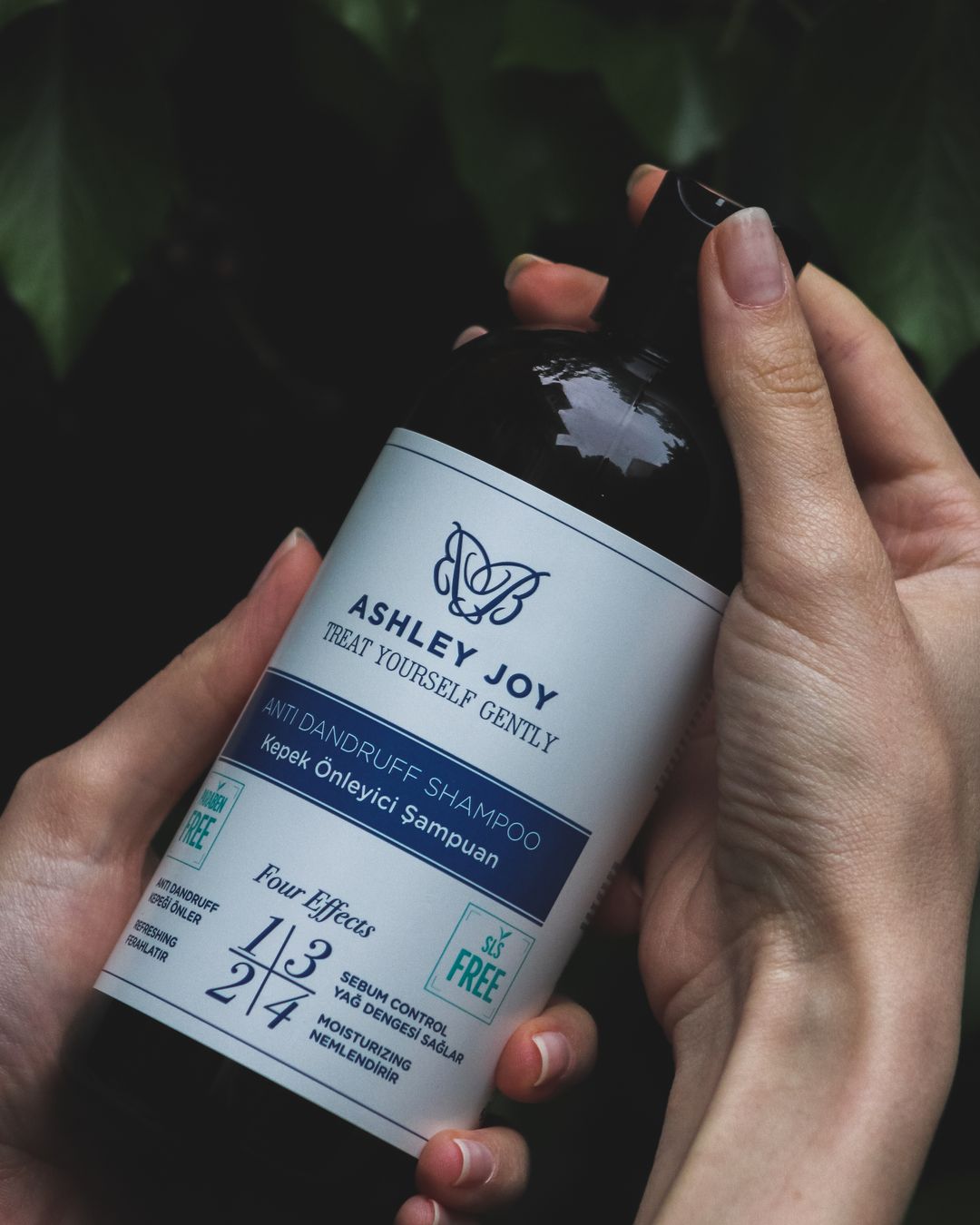
Cetearyl glucoside, coco-glucoside, decyl glucoside, and lauryl glucoside show up on ingredient lists across both rinse-off products like shampoo and shower gel and leave-on products like moisturizer, sunscreen, and deodorant, according to a market survey of cosmetics sold in the Netherlands published in Contact Dermatitis. The paper, "Alkyl Glucosides in Rinse-Off and Leave-On Cosmetics Available on the Dutch Market," comes from Mounir Yaâkoubi, Norbertus A. Ipenburg, Anton C. de Groot, and Thomas Rustemeyer of the Dermato-Allergology and Occupational Dermatology group at Amsterdam UMC.
The formulation role of these ingredients is straightforward: they are surfactants derived from plant fatty alcohols combined with glucose, typically sourced from palm or coconut oil, and they clean and emulsify without the harsher profile of older sulfate surfactants. That biodegradable, plant-derived origin is also the reason they get marketed as green and gentle, a label that has helped them spread into products aimed at sensitive skin.
Documentation of that marketing claim has not kept pace with documentation of the allergy risk. The American Contact Dermatitis Society named alkyl glucosides its 2017 Allergen of the Year, citing patch-test data from the North American Contact Dermatitis Group showing decyl glucoside positivity climbing from 1.3% in 2014 to 2.2% in 2016. A UK cosmetic patch-test series of 2,796 patients found 1.04% positive to at least one glucoside, and among those sensitized, about 79% reacted to more than one glucoside in the group and roughly 65% co-reacted to decyl and lauryl glucoside specifically, meaning a clinic that tests with only one glucoside will miss allergy to the others.
Anton de Groot, a co-author on the Dutch survey, is also a co-author on a separate two-part narrative review, "Contact Allergy to Alkyl Glucosides: A Review, Part 1," published around the same time in the same journal and covering the patch-test and case-report literature on decyl and lauryl glucoside. Read together, the market survey functions as the ingredient census that the review's clinical argument needs: one paper catalogs where the allergens are showing up on shelves, the other catalogs what happens when skin reacts to them.
The label irony sharpens when the allergen turns up hidden rather than named. Decyl glucoside is used as a stabilizer inside the UV filter Tinosorb M, and dermatologists now believe most allergic reactions previously blamed on Tinosorb M in sunscreens were actually reactions to the decyl glucoside riding along with it, a case where the ingredient consumers were told to watch for was not the one causing the rash.
The science itself is not settled. A 2018 rebuttal in the Journal of the American Academy of Dermatology, "Are alkyl glucosides really allergens?," argued that a share of the positive patch tests reflect irritant reactions rather than true immune sensitization, an open dispute that keeps the 2017 allergen-of-the-year designation from being treated as consensus. A separate database analysis ruled out one competing explanation, finding that cross-sensitization to glutaraldehyde does not account for the reactivity pattern seen with alkyl glucosides.
None of this has translated into a regulatory line on the ingredient. There is no EU Annex restriction and no dedicated SCCS opinion on alkyl glucosides; CosIng lists them as unrestricted permitted surfactants. The U.S. Cosmetic Ingredient Review concluded in 2013 that nineteen alkyl glucosides are safe as used when formulated to avoid irritation, a finding that leaned partly on safety data for the parent fatty alcohols rather than on glucoside-specific sensitization studies. The Dutch products catalogued in the new survey are formulated and sold inside that same permissive framework.
The Amsterdam UMC team's contribution is narrower than any of that debate: a count of where cetearyl, coco-, decyl, and lauryl glucoside actually appear on labels in one national market, rinse-off and leave-on alike, published at Contact Dermatitis. It is a ledger, not a verdict, and it leaves the argument over irritant versus allergen exactly where the JAAD rebuttal left it two years ago.
