Explainer
Cleanse With Cool Water, Not Warm, a New Clinical Study Finds
A 10-day randomized trial links cool-water facial cleansing to steadier skin barrier function and lower water use than warm water, with no loss in makeup removal.
Published
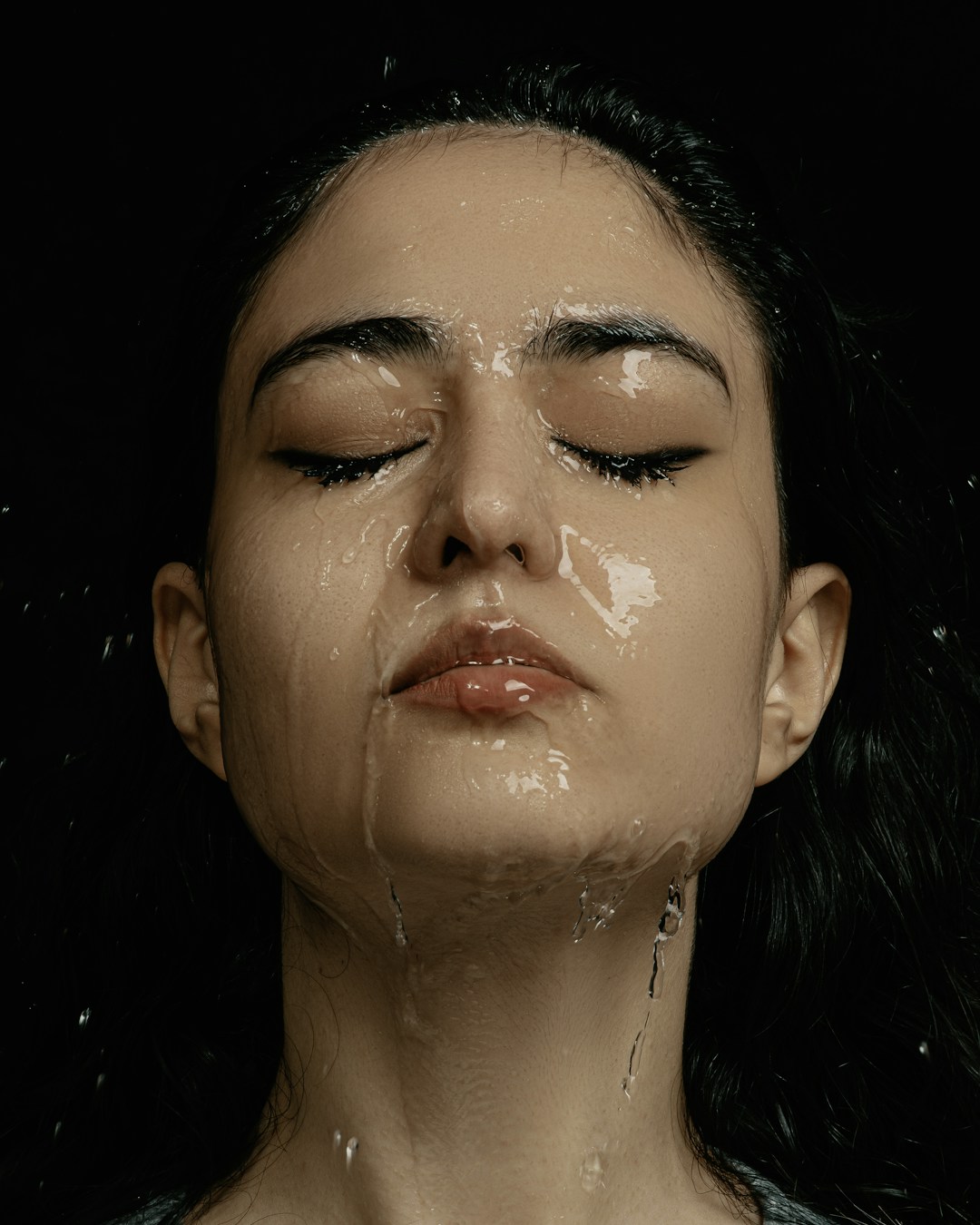
The technique change is simple: swap warm tap water for cool when cleansing your face, and skip the habit of preheating a running tap before you start.
A randomized, controlled clinical study published in the International Journal of Cosmetic Science, led by Stewart Long and colleagues, tracked 52 adults over 10 days as they cleansed daily with ELEMIS Pro-Collagen Cleansing Balm under four conditions: cool or warm water, tap on or off during cleansing. Participants did not know the study was measuring environmental behavior, and water use was covertly logged with calibrated meters on the hot and cold feed lines.
The procedure itself does not change. Apply the balm to dry skin, massage it in to dissolve makeup and residue, then rinse with a damp cloth or splash using water drawn straight from the cold tap rather than waiting for it to warm. The researchers found this alone cut water use by an average of 27% per cleansing event compared with warm-water routines (p < 0.04), since much of the extra volume in a warm cleanse comes from letting the tap run while water heats up.
Skin-level measurements taken with a Tewameter TM 300 showed why the swap matters beyond the tap. Repeated warm-water cleansing raised transepidermal water loss by about 3.4 g·m⁻²·h⁻¹ over the 10 days (p < 0.01), a sign of barrier disruption, while cool-water cleansing left TEWL essentially unchanged (Δ ≈ 1 g·m⁻²·h⁻¹; p = 0.15). Skin surface pH, tracked with a PH 905 meter, dropped slightly under cool water (Δ −0.4 pH units, p < 0.02) and stayed flat under warm water, a shift toward the mildly acidic range associated with a healthier skin barrier.
Crucially for anyone worried that cooler water means a less thorough cleanse, colourimetric testing after both light and heavy makeup application showed no significant difference in removal efficacy between temperatures (p > 0.05 across comparisons); both routines returned skin color readings to baseline. Kim Fenn, one of the study's authors, summed up the takeaway on LinkedIn after presenting the findings at a Society of Cosmetic Scientists conference: "I'll be cleansing with cooler water from now on."
The one variable the data leaves untouched is hydration: stratum corneum hydration readings from a Corneometer CM 825 declined modestly across all four groups regardless of temperature, suggesting the cleansing balm's rinse step, not water temperature, drives that particular effect. For now, the actionable step is the tap itself, turned to cold before the cloth ever touches skin.
