Guide
The Nivea "Korean technique" everyone is copying is slugging, and pharmacists say it doesn't fight wrinkles
The viral "Korean technique" for Nivea's blue tin is slugging, an overnight occlusion trick that hydrates skin but has no anti-wrinkle action, say pharmacists who tested it.
Published
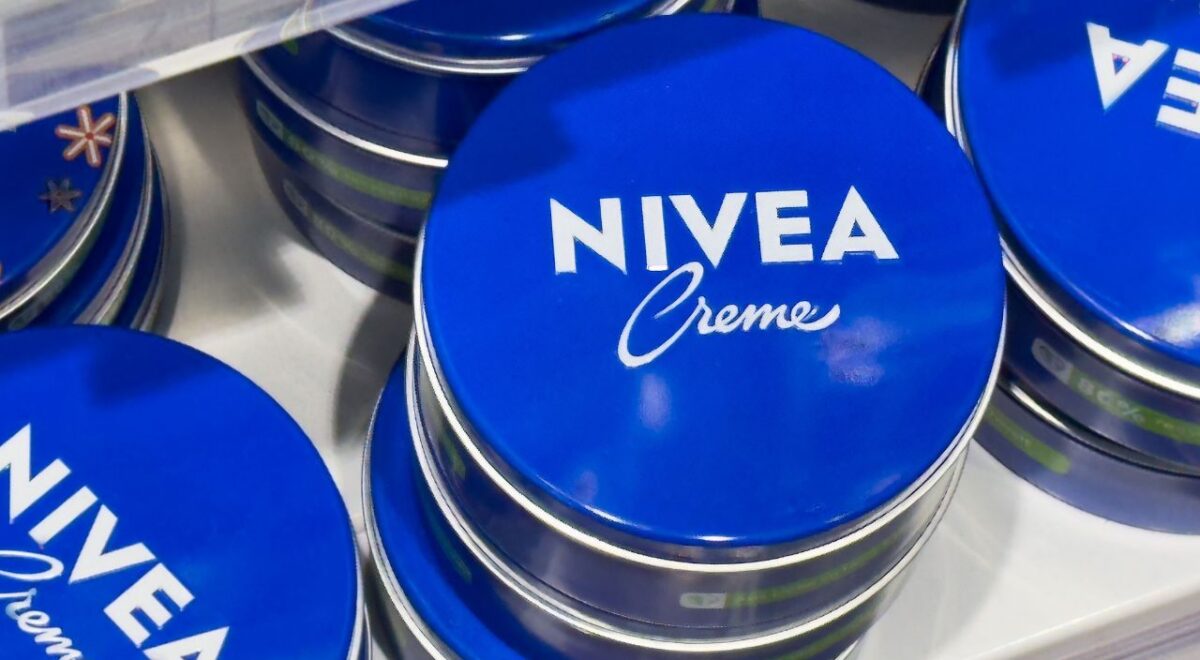
The technique behind the latest Nivea headlines has a name outside France: slugging. It means applying a hydrating layer, then sealing it under a thick occlusive balm as the final step of a night routine, and dermatologists quoted by Healthline and Woman & Home describe it as a moisture-retention trick, not a wrinkle treatment.
The sequence matters more than the product. Cleanse first, then pat on a water-based serum or humectant while skin is still damp, then smooth a thin film of Nivea Creme over the whole face with fingertips, working outward from the center with light pressure so the layer stays even rather than gloopy at the jawline and hairline. A pea-sized amount covers the face; more is used only on elbows, heels, or hands, where the cream has always been marketed.
Timing is the variable that changes the result most. Slugging is designed as an overnight-only step, left on for six to eight hours so skin has time to pull moisture back across the barrier before the occlusive layer is washed off in the morning. Done during the day, the same thick film traps sweat and oil rather than hydration, which is one reason dermatologists restrict it to bedtime.
Where the Marie France framing runs into trouble is the claim of a Korean origin for the move. Coverage in Hello Magazine and Woman & Home traces the viral spread of slugging to English-language TikTok communities around 2021, while noting that mineral-oil balms have long been used in Korea as lip care or makeup remover, a connection that is real but looser than a dedicated anti-aging protocol.
The anti-wrinkle part of the claim fares worse. Pharmacists Roger Nebot and Vicente Calduch, interviewed by Presse-Citron, say the blue tin carries no sun filter and no recognized anti-aging active, and should be treated as a basic moisturizer rather than a repair treatment. French coverage of the formula lists water, mineral oil, glycerin, shea butter, cetearyl alcohol, paraffin, lanolin and fragrance, a classic occlusive mix with nothing resembling a retinoid or peptide.
That occlusive strength is also the technique's main hazard. The same fragrance that gives the cream its scent can irritate sensitive or eczema-prone skin under an all-night seal, and anyone with oily or acne-prone skin risks clogged pores from trapping sebum beneath the layer rather than letting it breathe.
So the move that is circulating as a 50-plus anti-wrinkle hack is, by the account of the pharmacists who tested it, better reserved for the driest patches of skin: cracked heels, chapped hands, or a particularly dry patch of cheek, applied at night, in a thin layer, and washed off by morning rather than left as a daily face routine.
