The Loose Strands Were Cut Before the Ponytail
The controlled wisps in many polished Japanese updos are not simply pulled free at the end. Their length, weight, and connection to the fringe are often built into the haircut first.
Published · Updated
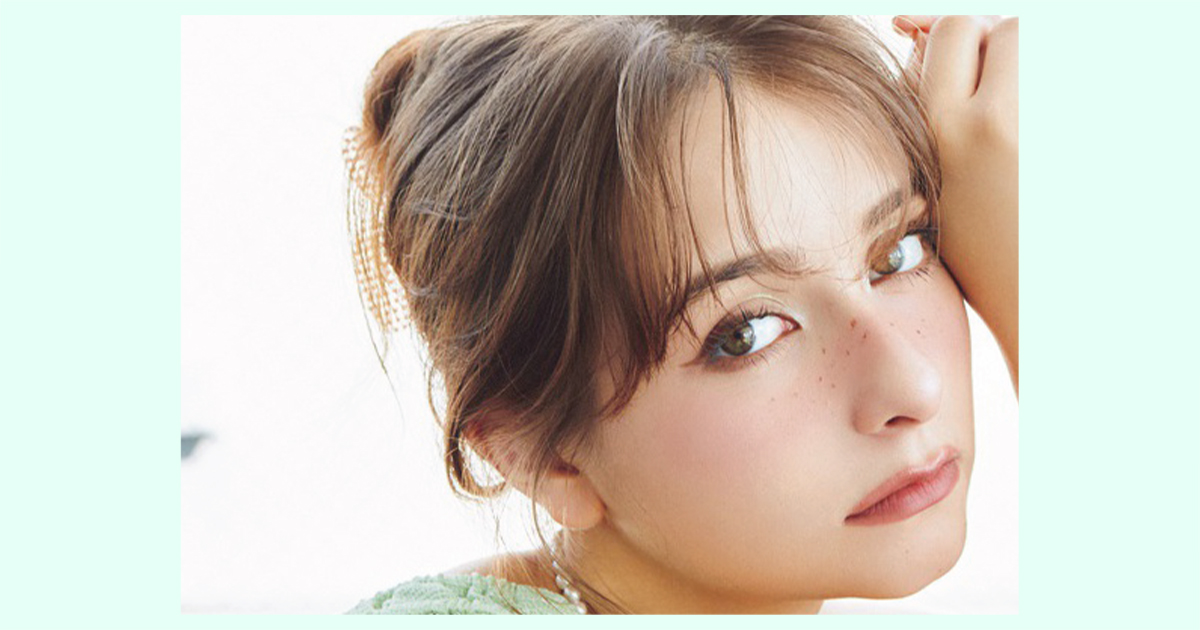
A polished summer ponytail can have two textures at once: the base sits close and cool at the neck, while two fine pieces skim the cheek and turn near the jaw. It is easy to read those pieces as the final move, hair teased free after the elastic is secure. In many Japanese salon examples, however, the apparent looseness begins with scissors.
The relevant Japanese word is okurege, loose hair that is left behind when the rest is tied. The Japanese Kanji Aptitude Testing Foundation defines it as hair that cannot be put up and hangs at the nape or nearby. A major historical dictionary cites an example from 1705. The older sense describes a remainder of dressing the hair. Contemporary beauty practice often designs that remainder in advance.
That change is visible in documented technique. In a Shiseido lesson dated June 28, 2016, hair and makeup artist Seiko Matsumoto says that pulling out hair at its full length can look heavy and unbalanced. Her proposed correction is a small section cut around the jaw, adjusted for the person’s hair length and face shape, taken from beside the fringe, the temple, or the hair just in front of the ear. A TV Asahi demonstration in 2020 likewise starts the style at the salon chair: the stylist separates the face frame, cuts it, refines its weight, and pays particular attention to the join with the fringe. A Tokyo salon describing the same service in June 2026 reduces the design to three variables: amount, length, and angle.
Check the cut before copying the pull
This does not make the ponytail difficult. It changes which part of the work belongs to styling and which belongs to the haircut. A long, one-length front section will trace a different line from a jaw-length wisp, no matter how carefully it is curled.
- Before tying, separate only the pieces that already fall shorter around the temple or ear. Secure the rest rather than repeatedly pulling more hair out.
- If the intended strand reaches the ponytail’s full length and lies against the shoulder, stop there. That is evidence of a different cut, not failed dexterity.
- At a haircut, tie the hair at the height you actually wear. Ask the stylist to assess the transition from fringe to side hair in both the tied and loose positions.
- Style the released pieces last. Their response will vary with density, natural curl, heat, product, and humidity, so a prescribed curl direction is not a universal fix.
There are limits to the finding. Regrowth, breakage, layers, and genuinely escaped nape hair can all produce loose strands without a dedicated face-frame cut. Some looks also use long tendrils deliberately. The haircut is the hidden prerequisite only for the controlled, shorter wisp that holds a clear line beside the face. If that is the reference, the useful next step is not to tug harder. It is to show the tied view at the next haircut and ask what has been cut to fall there.
Sources: Kanjipedia · Shiseido · TV Asahi
