The Itch Arrives on the Burn's Own Schedule
A mild sunburn can naturally improve over the same three-to-seven-day window in which after-sun products are used. Cooling and moisturizing may ease heat, tightness and itch, but that relief does not demonstrate faster healing.
Published · Updated
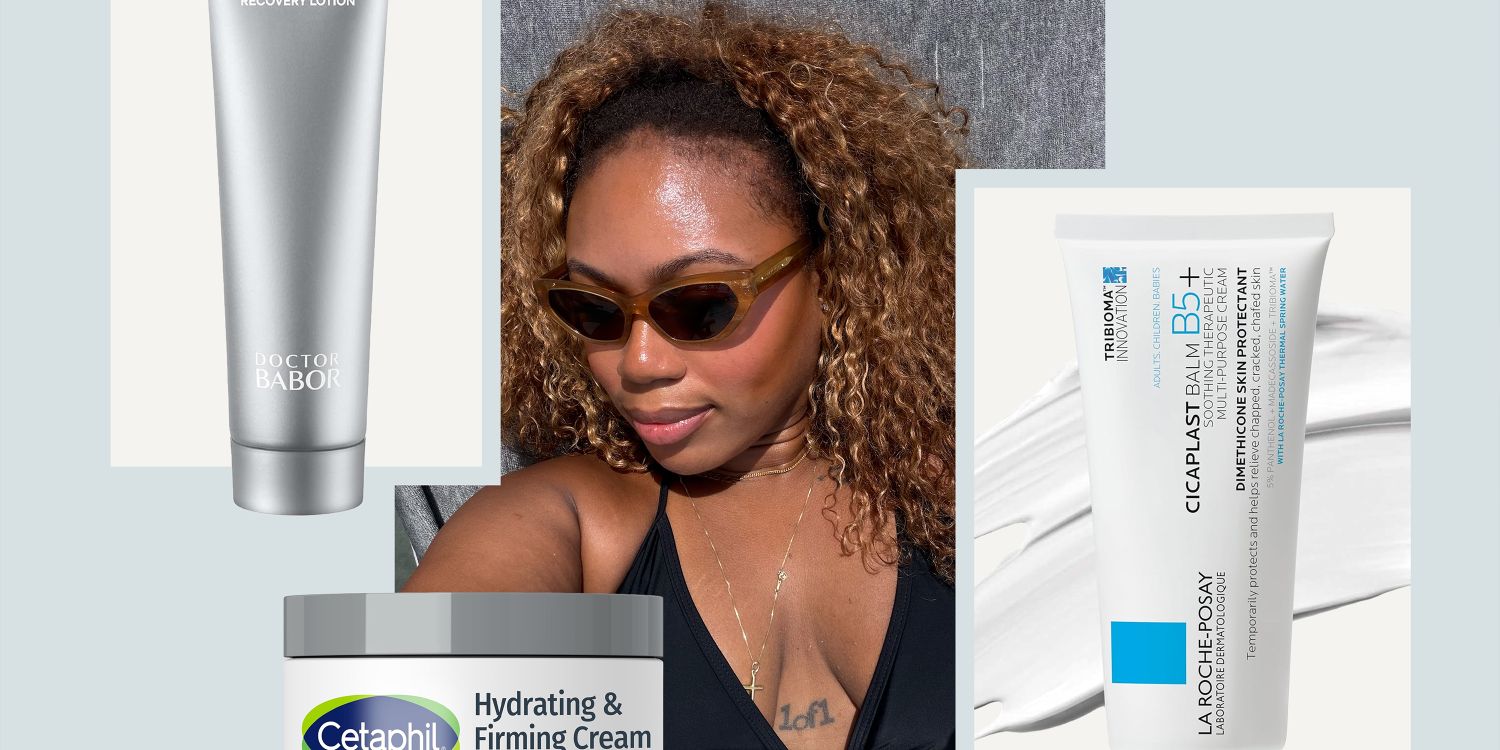
When skin is hot, tight and itchy after a beach day, symptom relief and tissue recovery can arrive at nearly the same time. That overlap makes a cooling gel or rich cream feel decisive. It does not show that the product shortened the burn.
The burn keeps a delayed clock
Sunburn is an ultraviolet injury, not simply skin that has become too warm. Redness usually develops three to five hours after exposure and peaks 12 to 24 hours later. It can fade over three to seven days, while peeling may continue for seven to 10 days. The first sensation may be heat and tenderness under a shirt; itch often joins the dry, papery stage several days later.
This chronology matters when someone credits after-sun care with recovery over a few days. A mild burn often improves in that span without treatment. A moisturizer may still be useful, but the defensible observation is narrower: it eased tightness, sting or itch under the conditions in which it was used. It cannot establish faster repair from one person's recovery.
Relief and repair are different jobs
Cool water or a damp cloth can take the sharp heat out of skin. The American Academy of Dermatology advises applying moisturizer while skin is still damp and names aloe or soy as soothing options. Mayo Clinic, however, says there is not enough evidence that aloe helps a sunburn heal. Both statements can be true. A formula can improve how damaged skin feels without reversing the ultraviolet injury already set in motion.
Texture and additives matter more than an after-sun label. Fragrance-free moisturizer is the quieter choice for newly reactive skin. Alcohol-heavy formulas can feel cold as they evaporate yet add sting and dryness. Benzocaine and similar numbing ingredients can irritate or trigger an allergic reaction. Blisters should stay intact, because their thin roofs protect the skin beneath.
Cabo changes the exposure, not the biology
Using Cabo as shorthand for a carefree mistake misses the conditions. Mexico's Health Secretariat notes that radiation reflects from sand and water, and its 2026 beach-season guidance identifies 10 a.m. to 4 p.m. as the period of highest exposure. Swimming, sweating and towel drying also change how long sunscreen remains protective. Prevention is therefore a matter of timing, coverage and reapplication, whether the person on the shore lives there or has just arrived.
The useful next step is to match care to severity. For a mild burn, get out of the sun, cool the skin, moisturize gently and drink water. Seek medical care for widespread blistering, fever, nausea, confusion, dizziness or signs of dehydration. A product can soften the recovery. The calendar is still mostly the skin's own.
Sources: NCBI Bookshelf · American Academy of Dermatology · Mayo Clinic · Mexico Health Secretariat
