The Minoxidil Claim Traces to an Herb This Serum Barely Contains
A hair serum marketed as a natural alternative to minoxidil borrows its credibility from a 2015 rosemary oil trial, but rosemary oil ranks ninth on its own ingredient list behind a peptide complex whose evidence is thinner and mostly unpublished.
Published · Updated
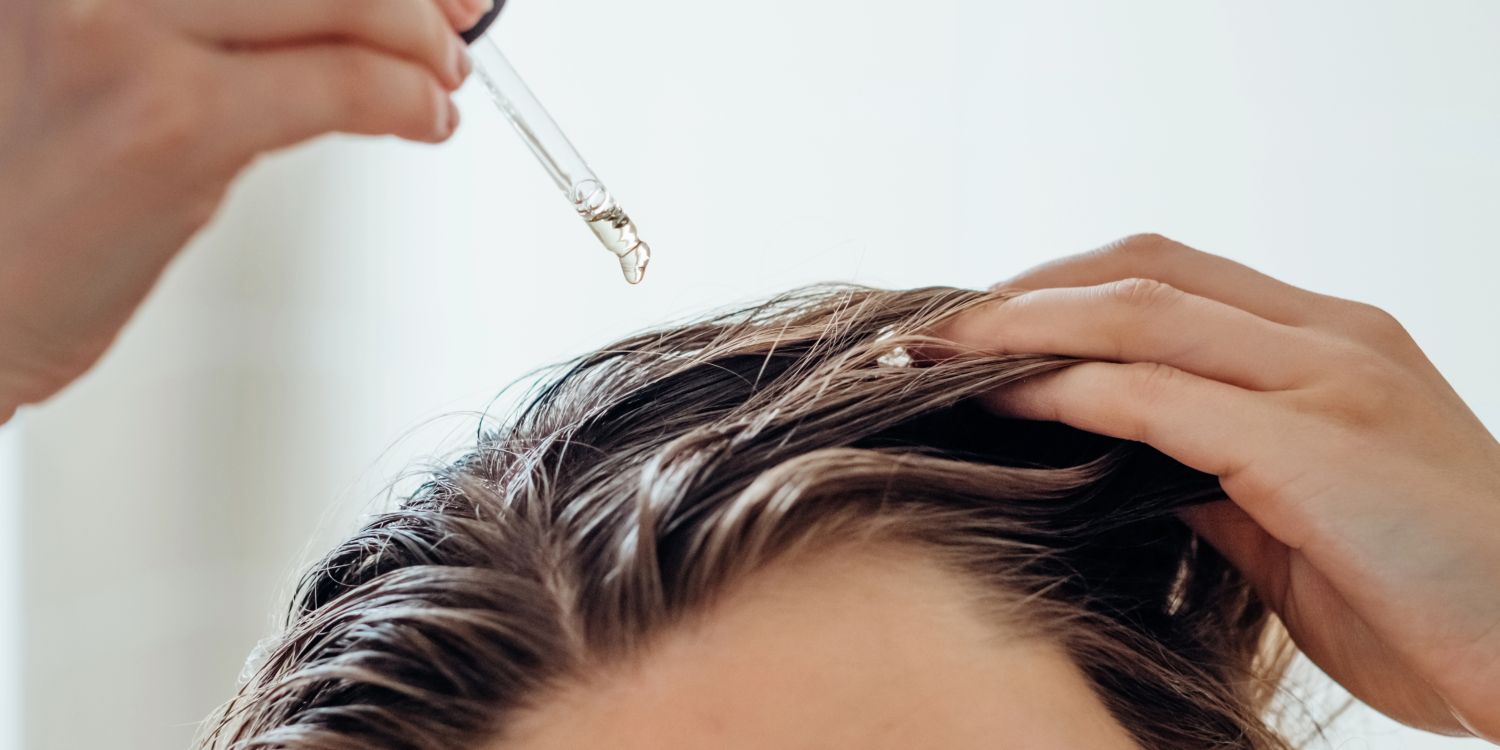
The wire pitch for California Naturals Re:GRO Anti-Thinning Scalp Serum leans on a comparison that has circulated since 2015: rosemary oil, tested head to head against minoxidil, held its own. That study is real. Whether it says much about this particular bottle is a separate question, and the ingredient panel answers it.
What the 2015 trial found
The comparison traces to a randomized trial published in the journal SKINmed, in which fifty patients with androgenetic alopecia used rosemary oil and another fifty used two percent minoxidil for six months. Hair count rose in both groups by comparable margins, and the rosemary group reported less scalp itching. It is a real result, but a narrow one: a single hundred person trial, run against the two percent minoxidil dose rather than the five percent strength usually recommended for men, with no larger follow up published since.
Re:GRO does contain rosemary leaf oil. On the ingredient list, though, it sits ninth, behind water, a proprietary complex called Capixyl, aloe, panthenol, two glycols, biotin, and caffeine. Cosmetic labeling convention lists ingredients above roughly one percent concentration in descending order, so a position that far down points to a supporting role, not the lead.
The ingredient in front
Capixyl, a peptide and red clover extract complex developed by the ingredient supplier Lucas Meyer Cosmetics, is listed second, immediately after water. Its own evidence trail is thinner than rosemary's and largely produced in house. One thirty four person, twenty four week study measured it against three percent minoxidil, again below the standard five percent dose. A separate thirty person, four month study of Capixyl alone was posted to a preprint repository rather than a peer reviewed journal, and several of its results fell short of statistical significance.
None of this makes the serum fraudulent. Minoxidil is a drug ingredient regulated under an FDA monograph; a cosmetic serum is not required to clear that bar to call itself anti thinning, and most products in this category do not try. What it means is that the natural alternative to minoxidil line borrows its credibility from an herb that plays a minor role in this specific formula, while the ingredient doing the most work carries a thinner, largely unpublished case behind it.
Before trusting a comparison like this one, the useful step is not a purchase. It is the ingredient panel: which active sits closest to the top, and whether the study being cited was actually run on that one.
Sources: PubMed · INCIDecoder
